

Lucky
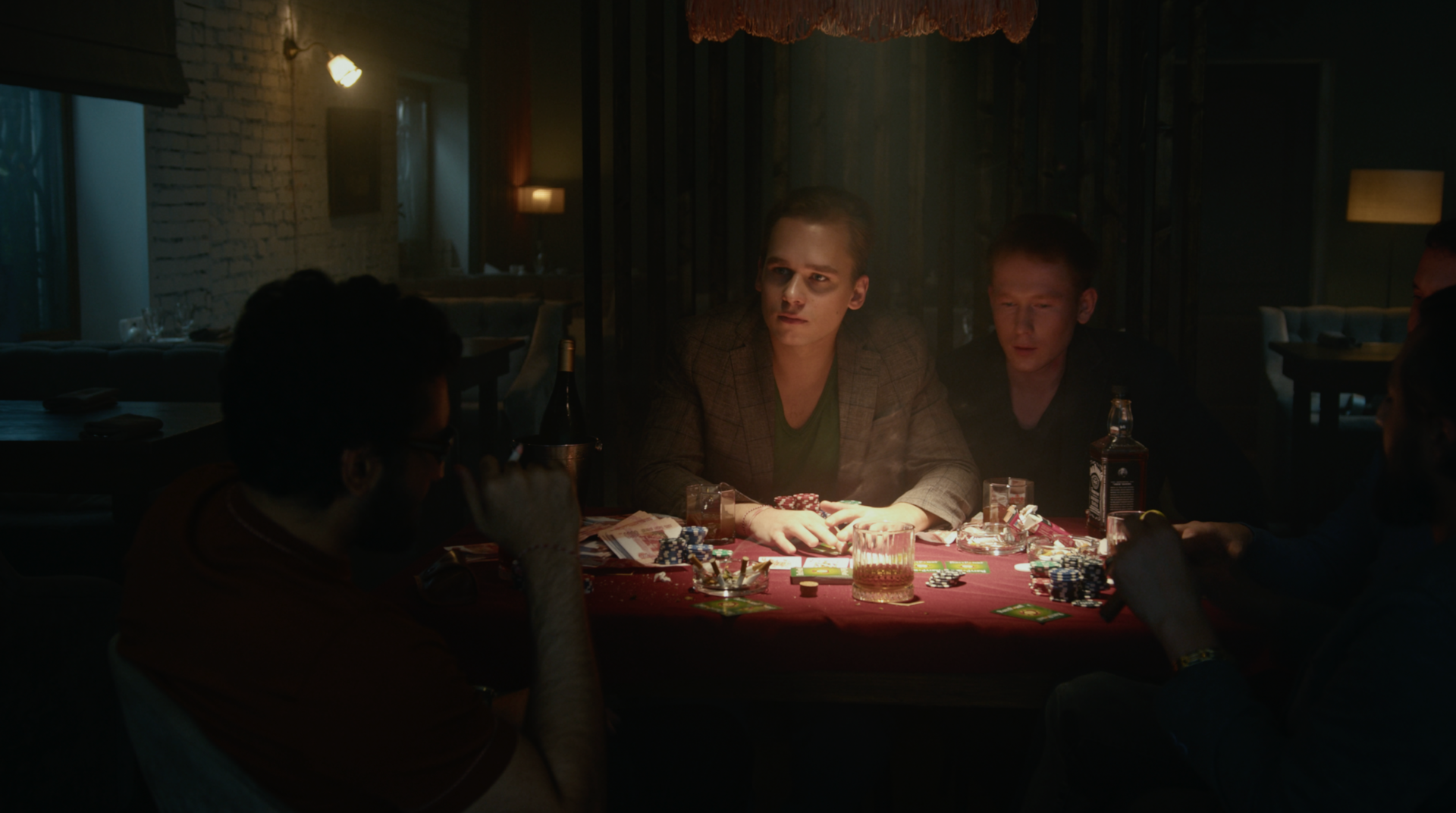
In Lucky, the short format’s inherent dynamism shines through in wildly varied scenes that shift atmospheres rapidly — each one feeling like its own self-contained world, packed with emotional contrast to maximize impact in limited runtime.
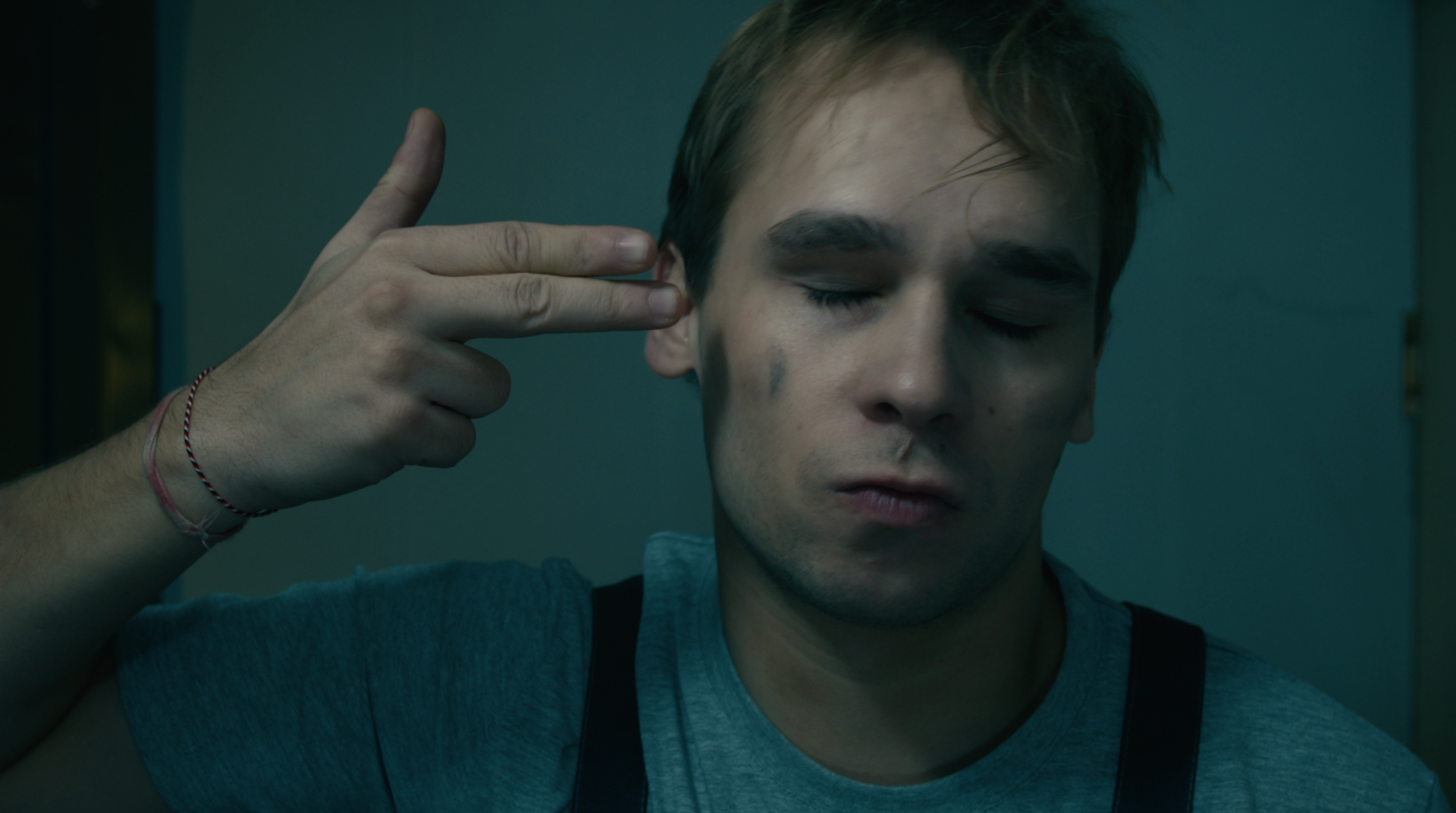
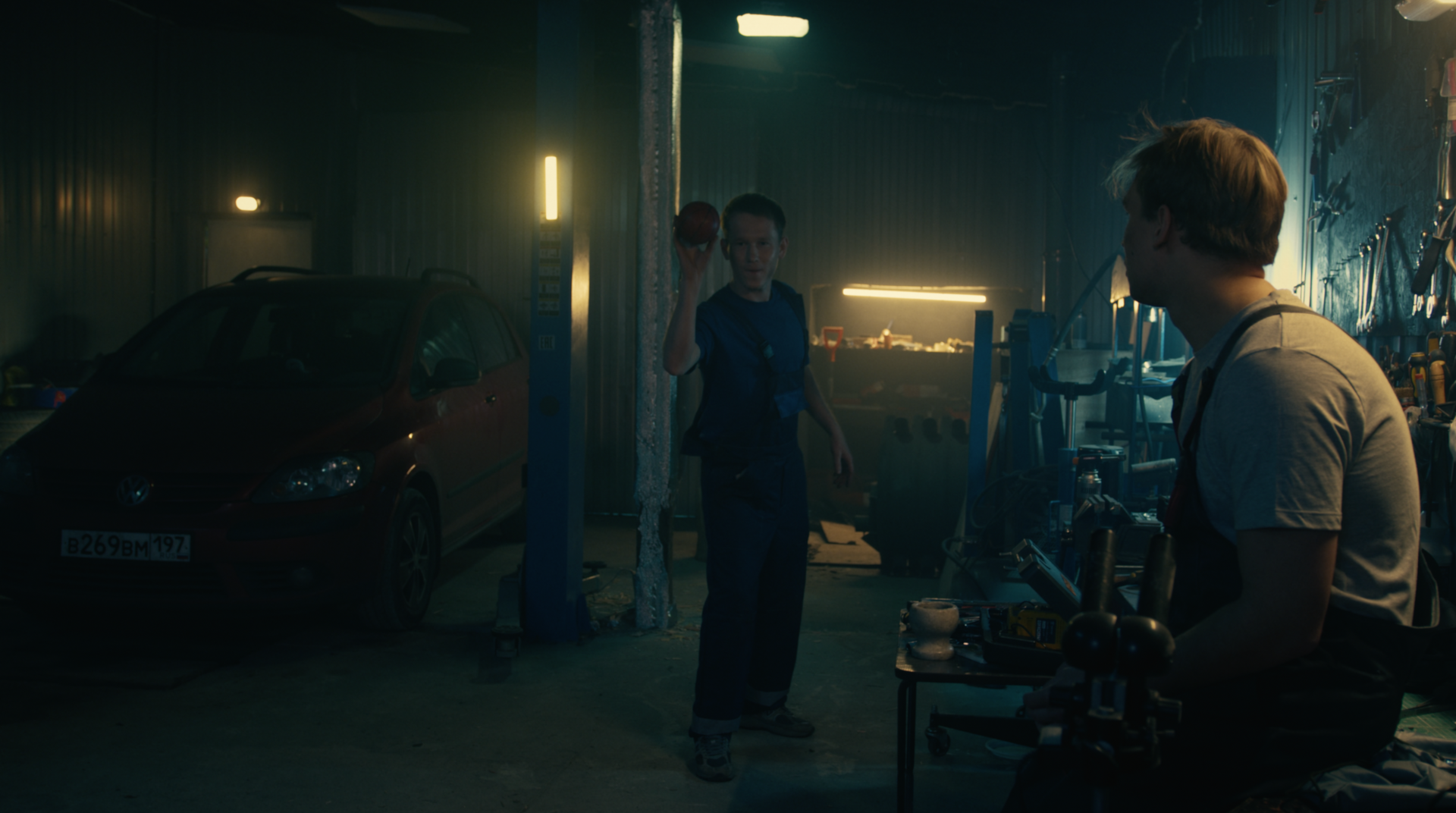
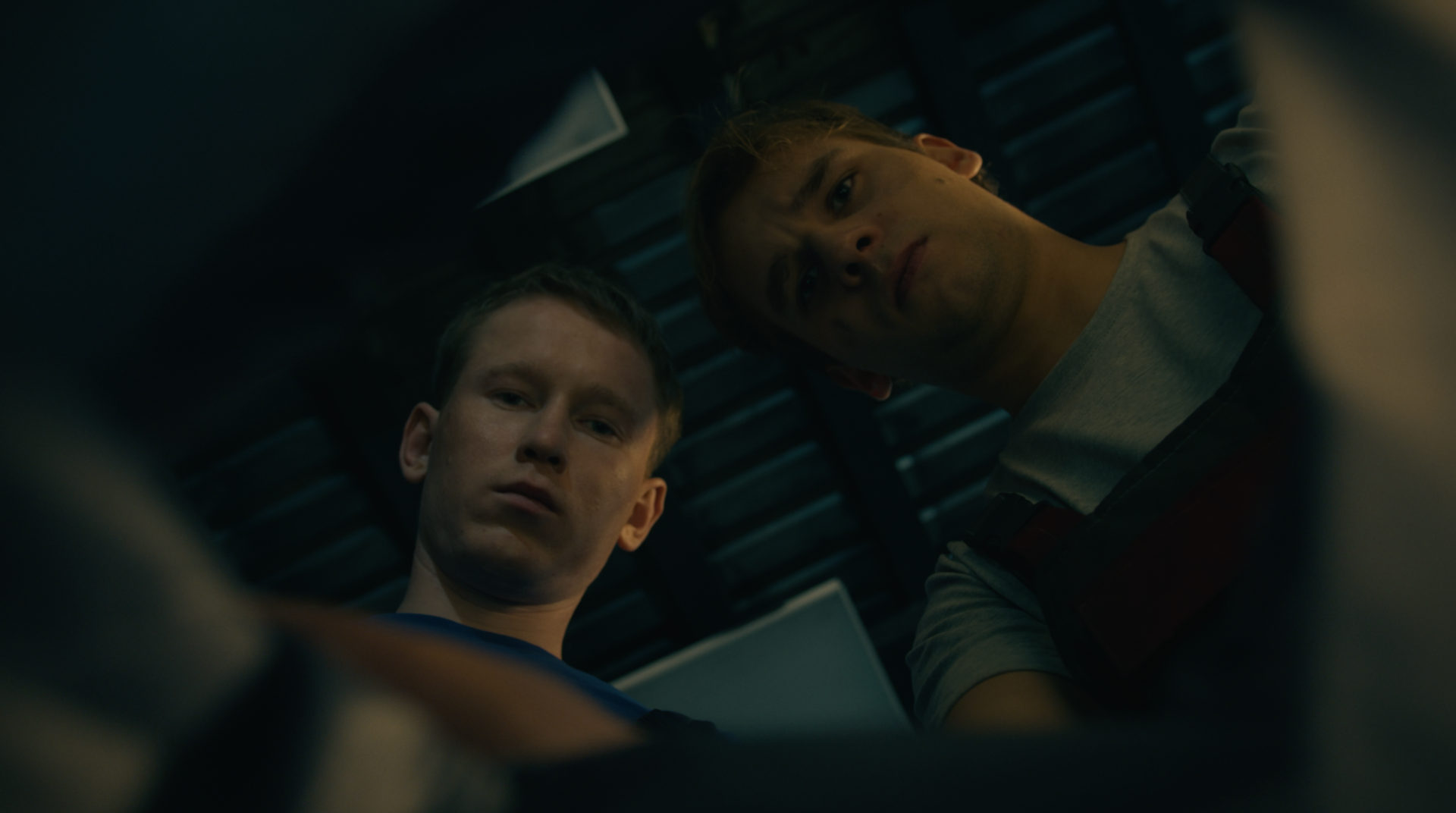
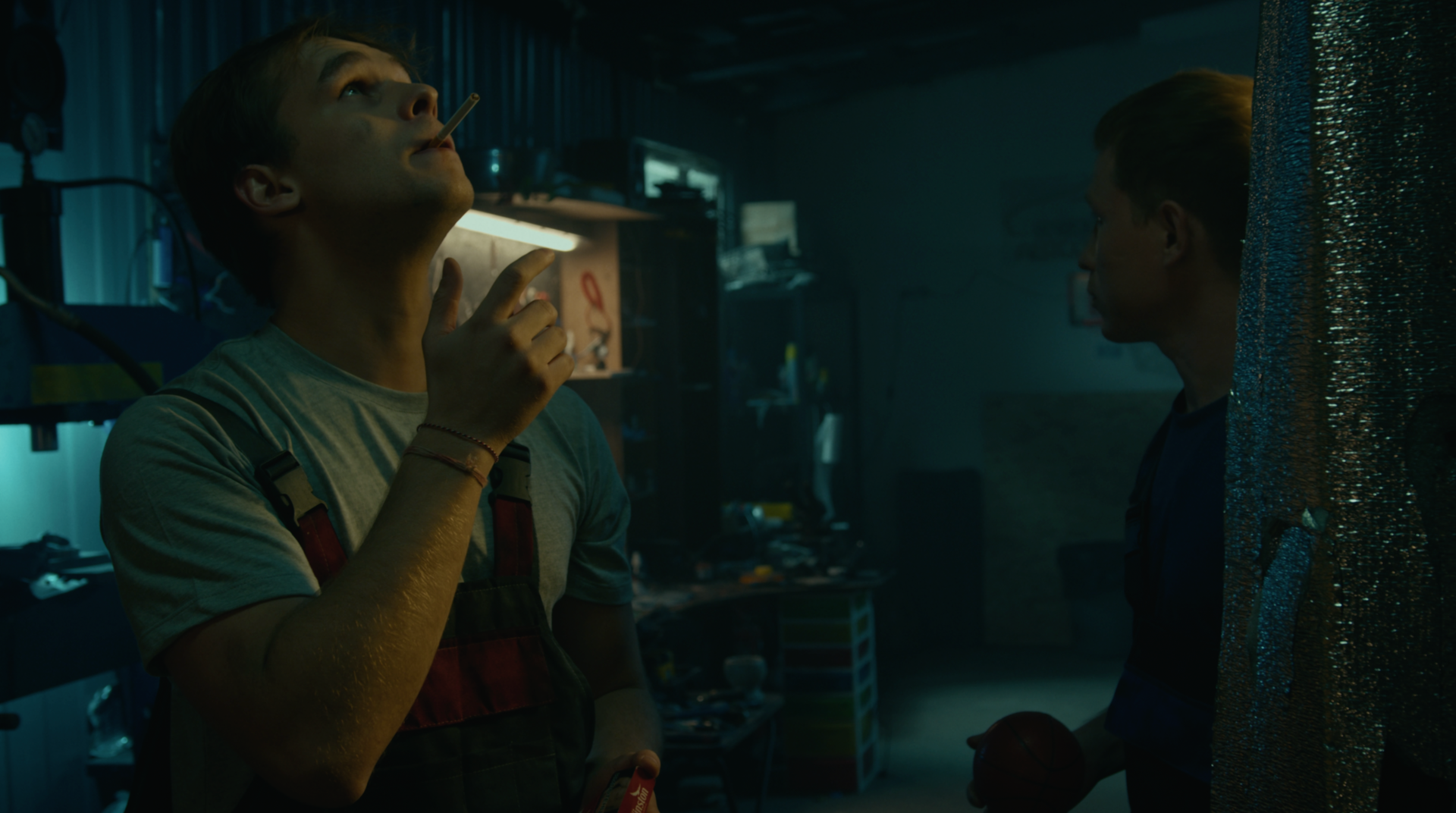
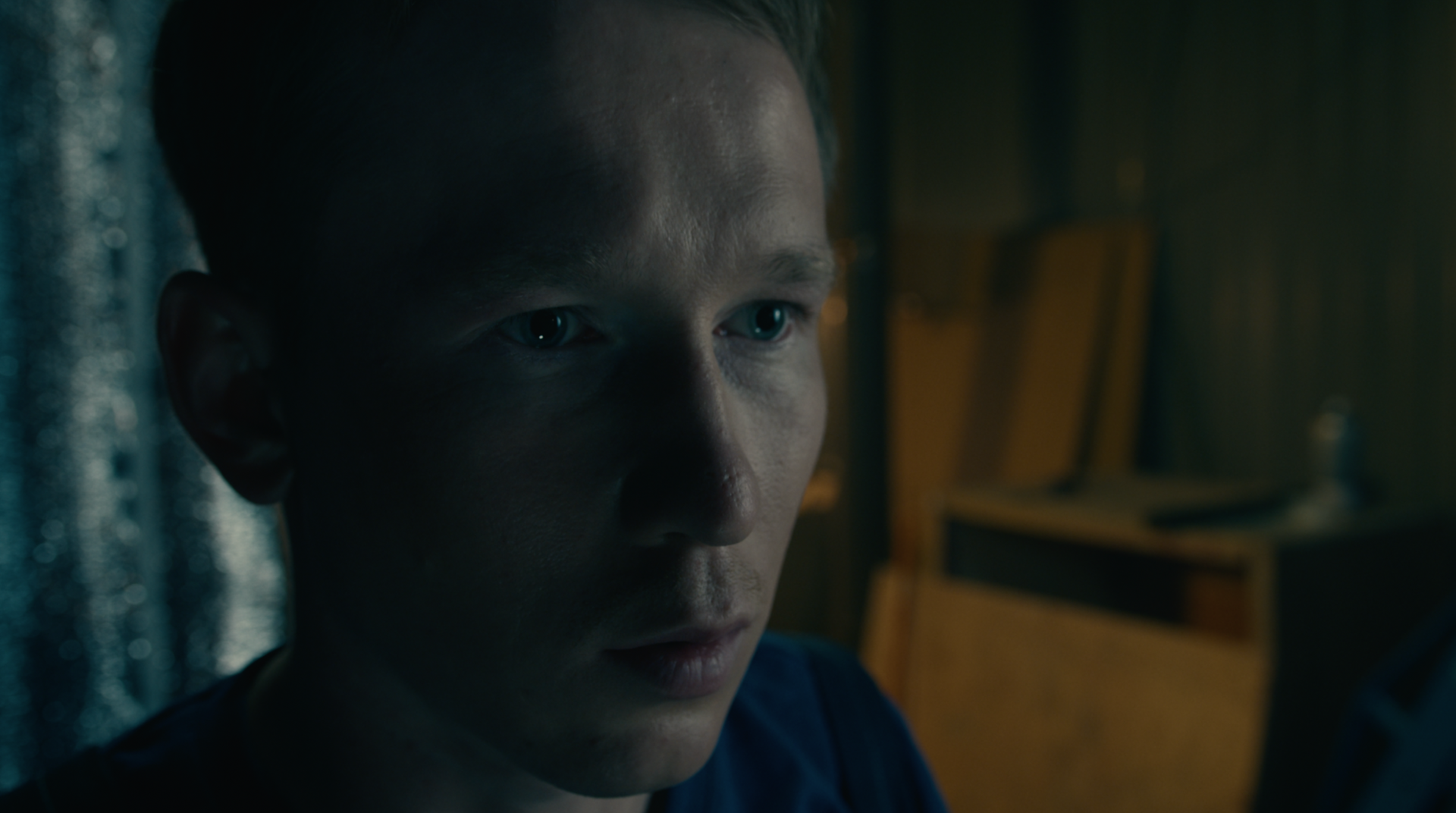
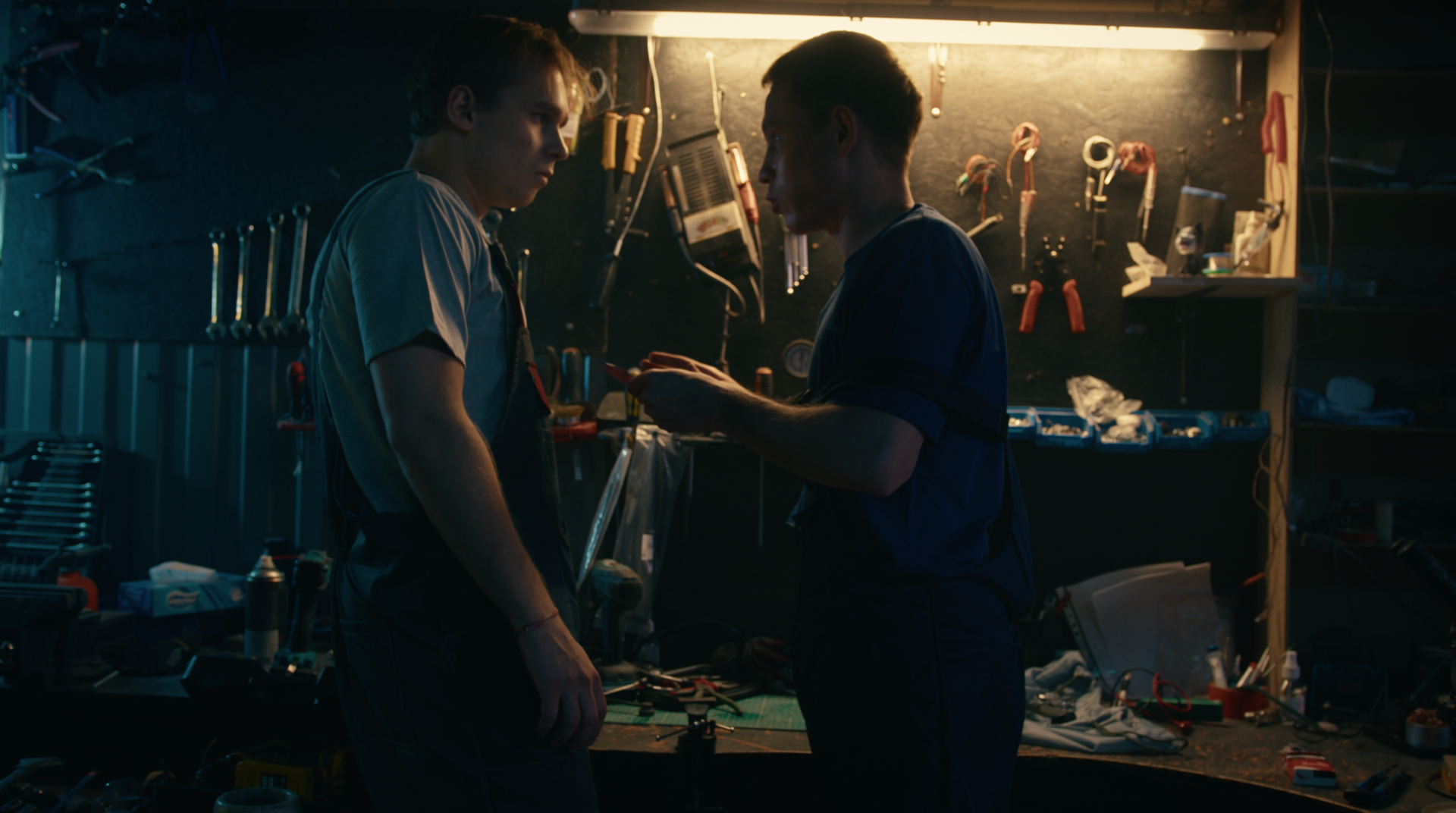
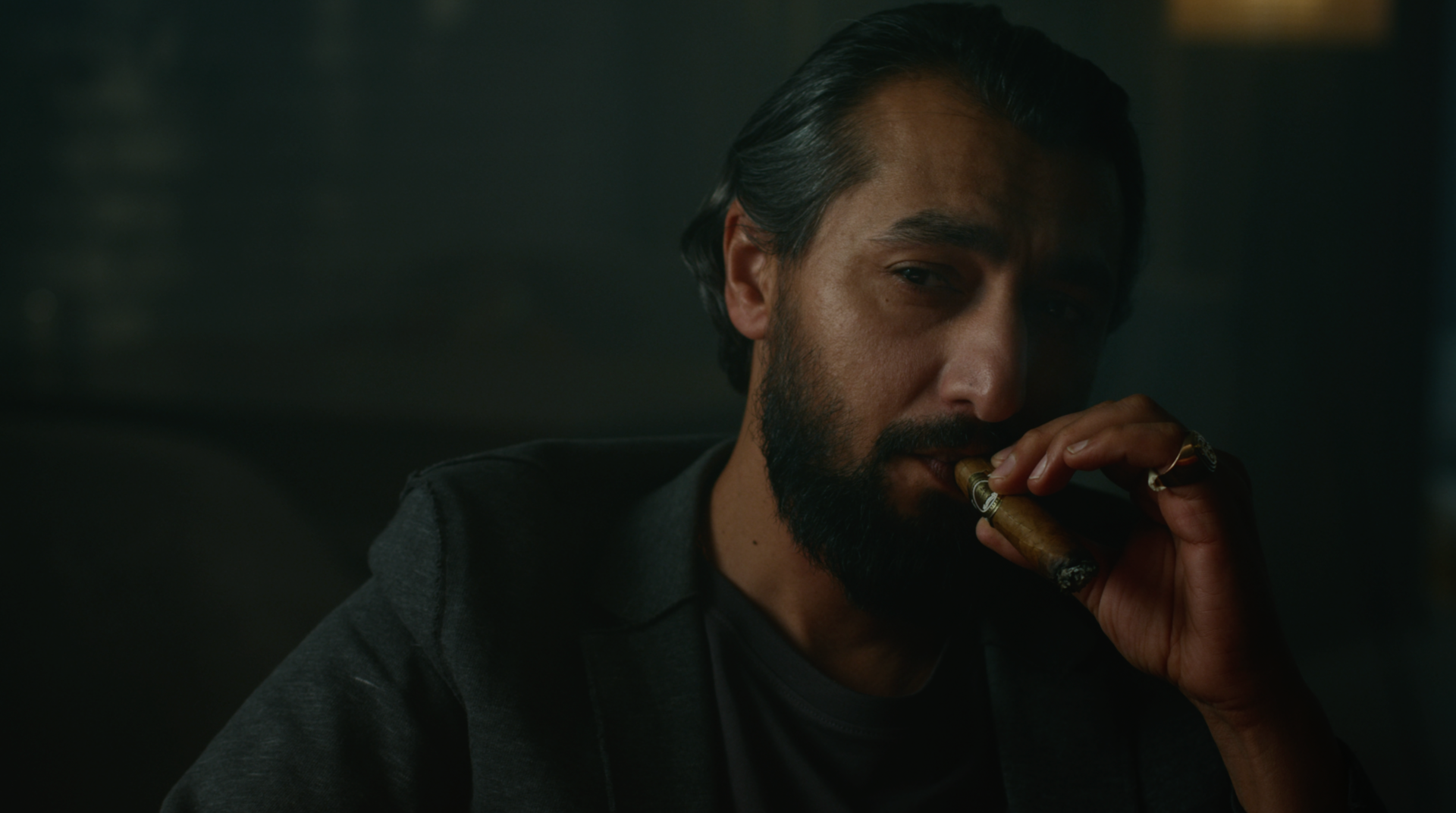
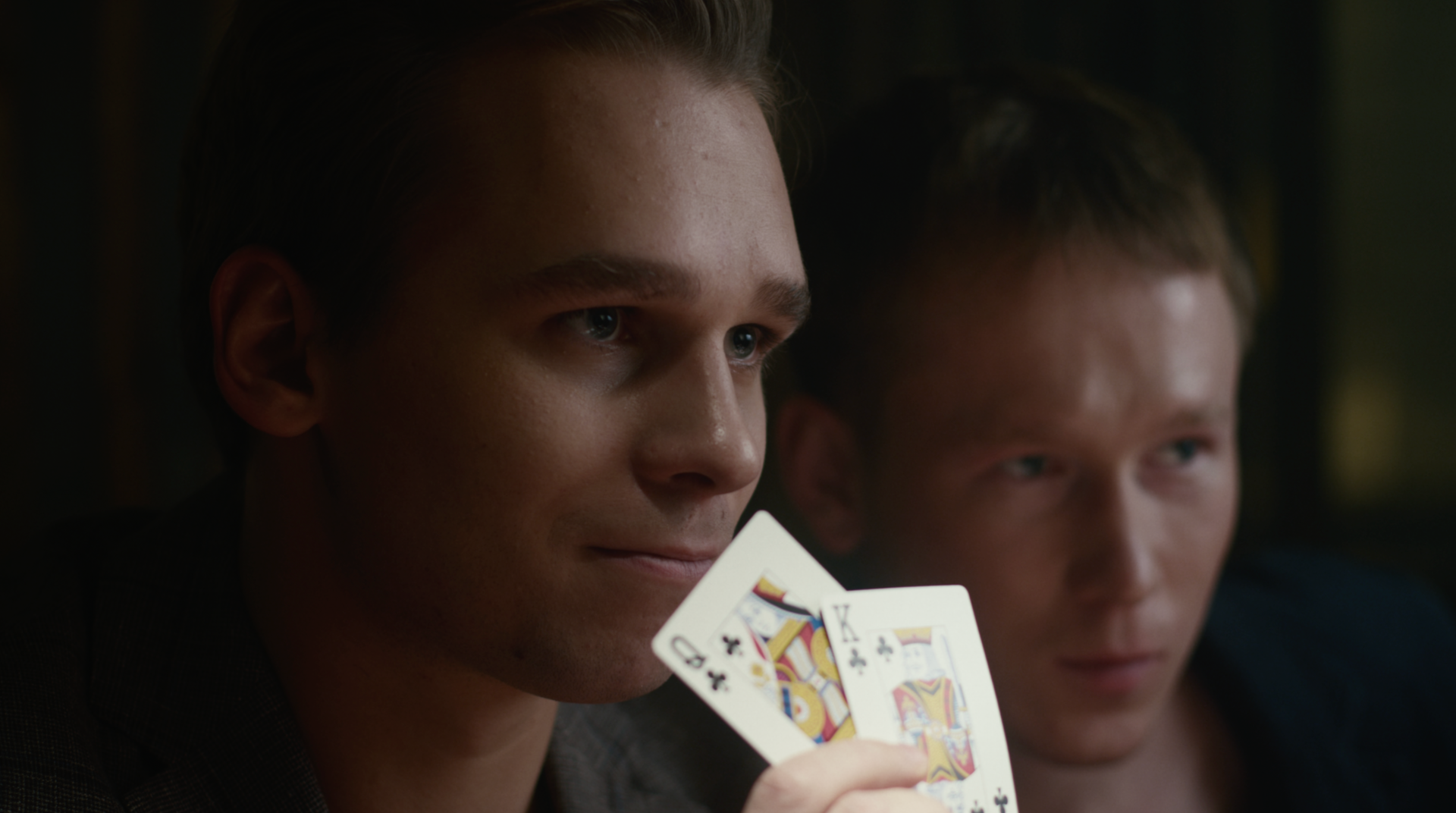
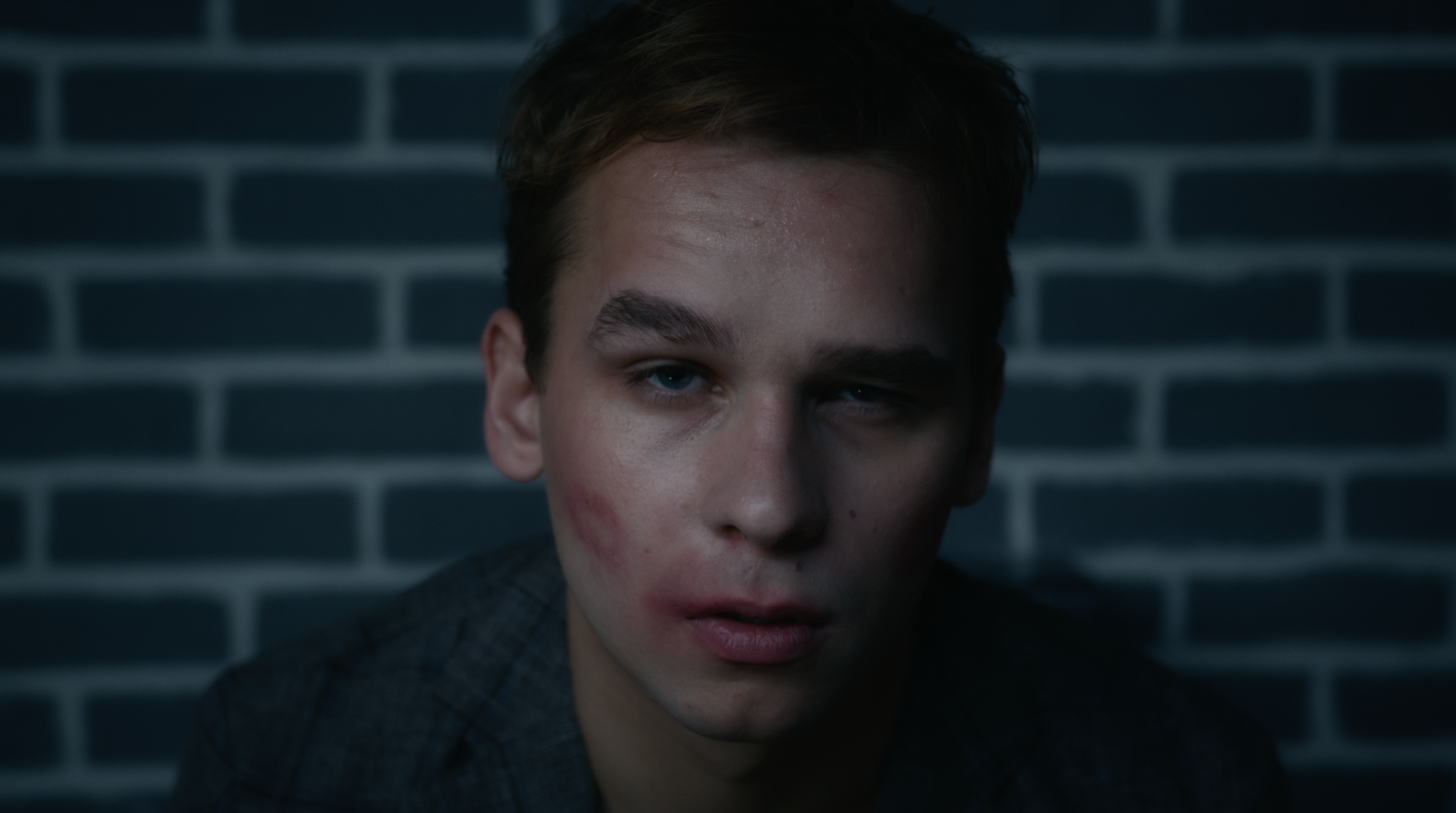
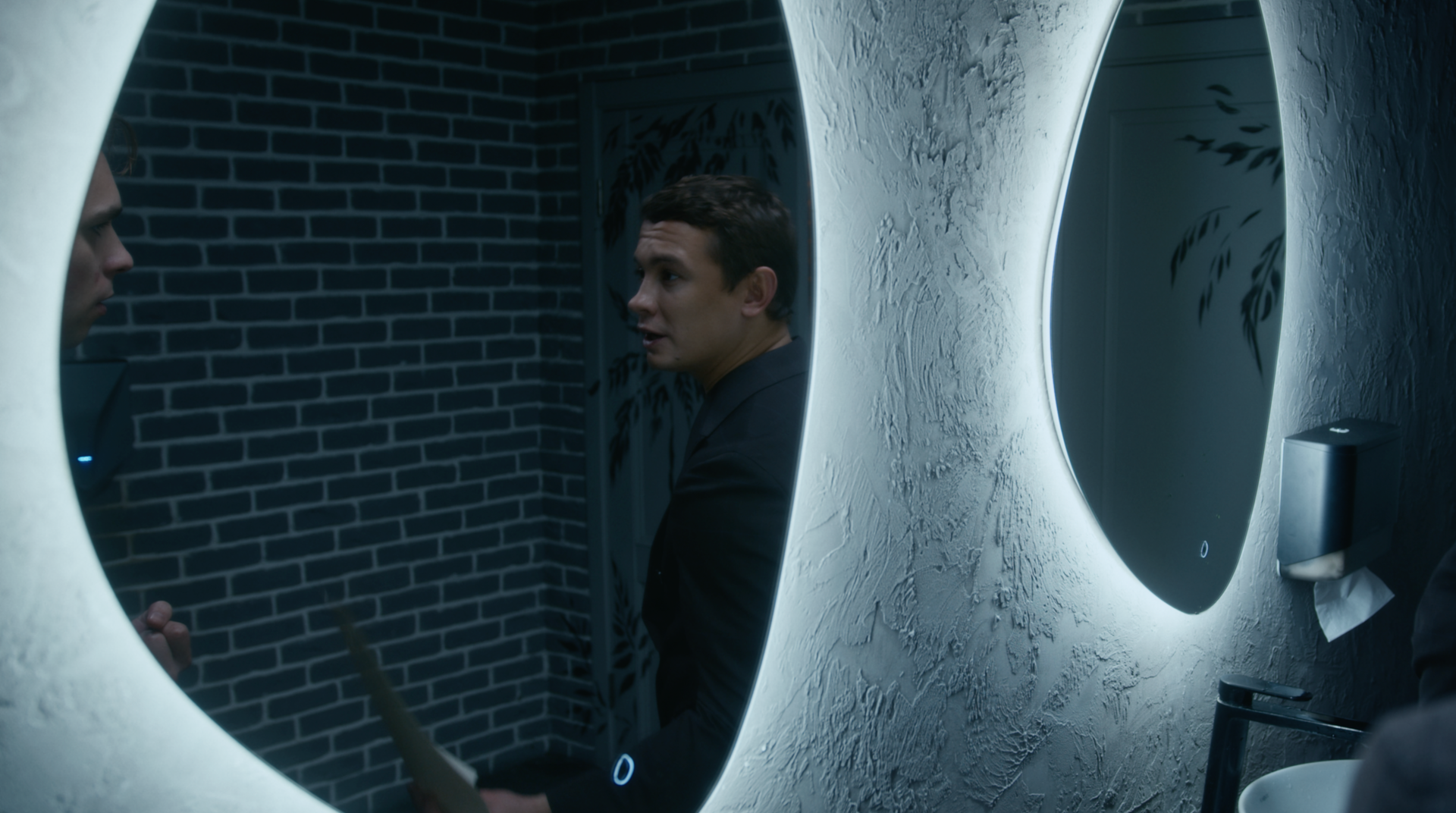
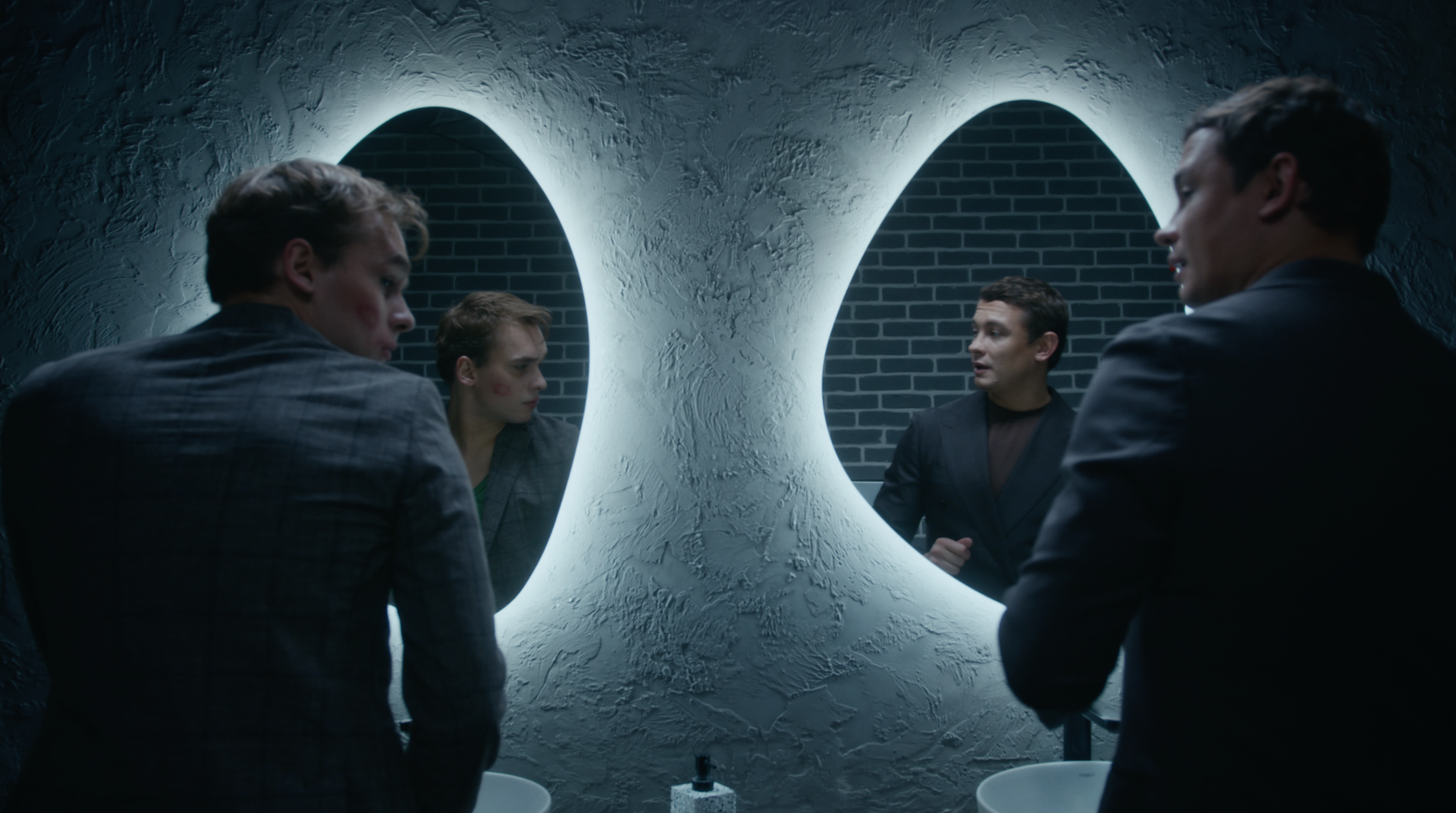
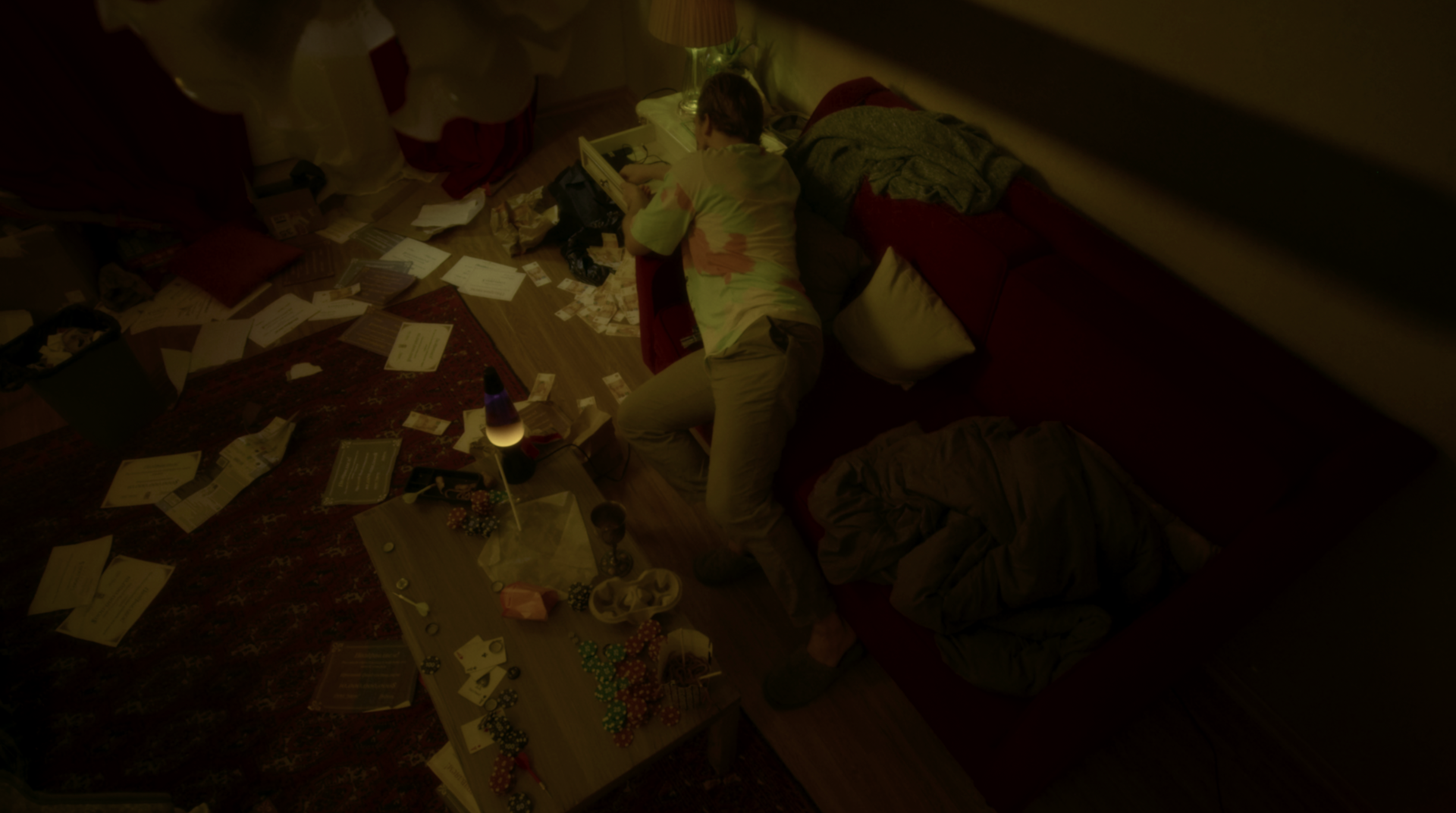
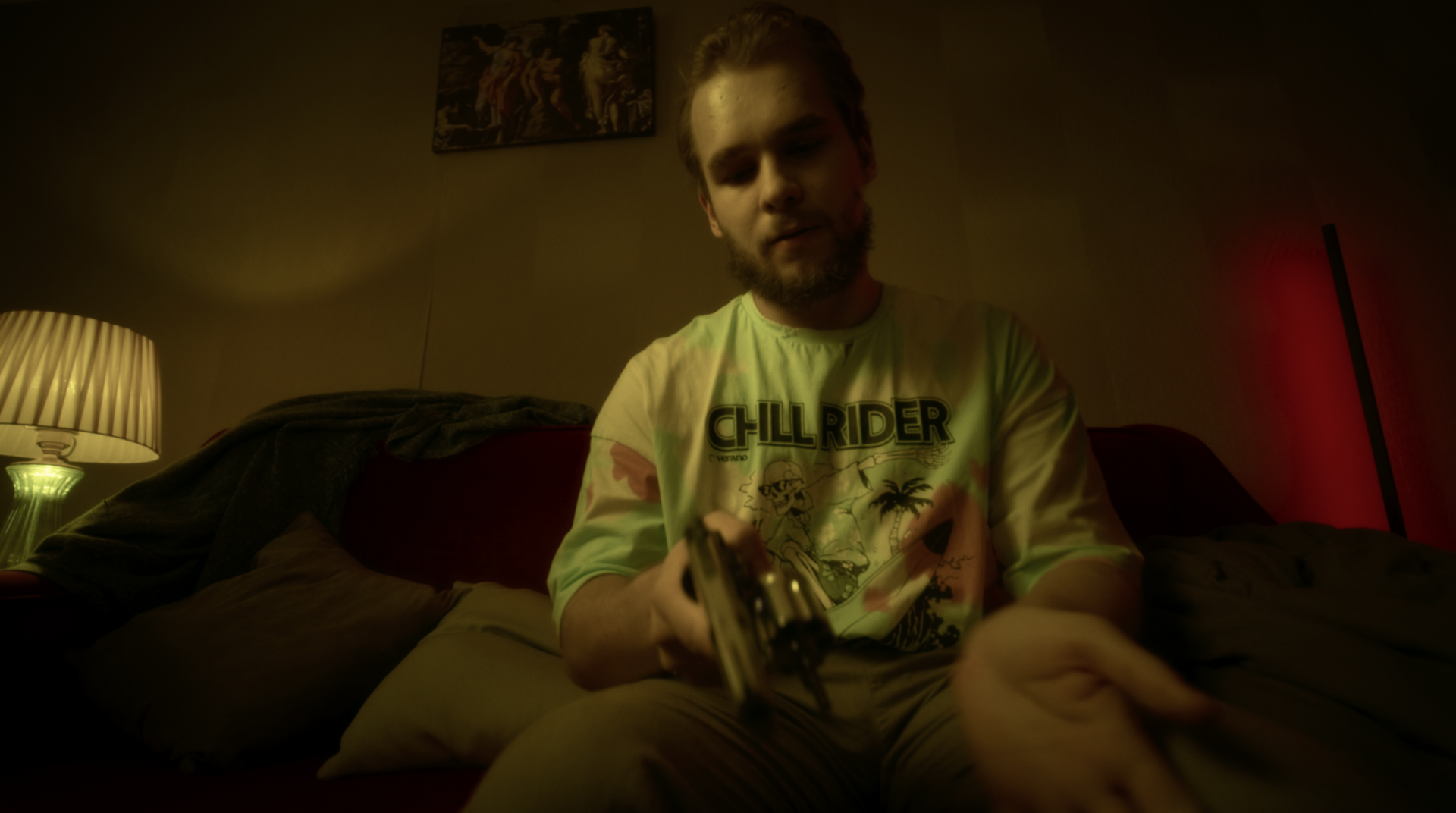
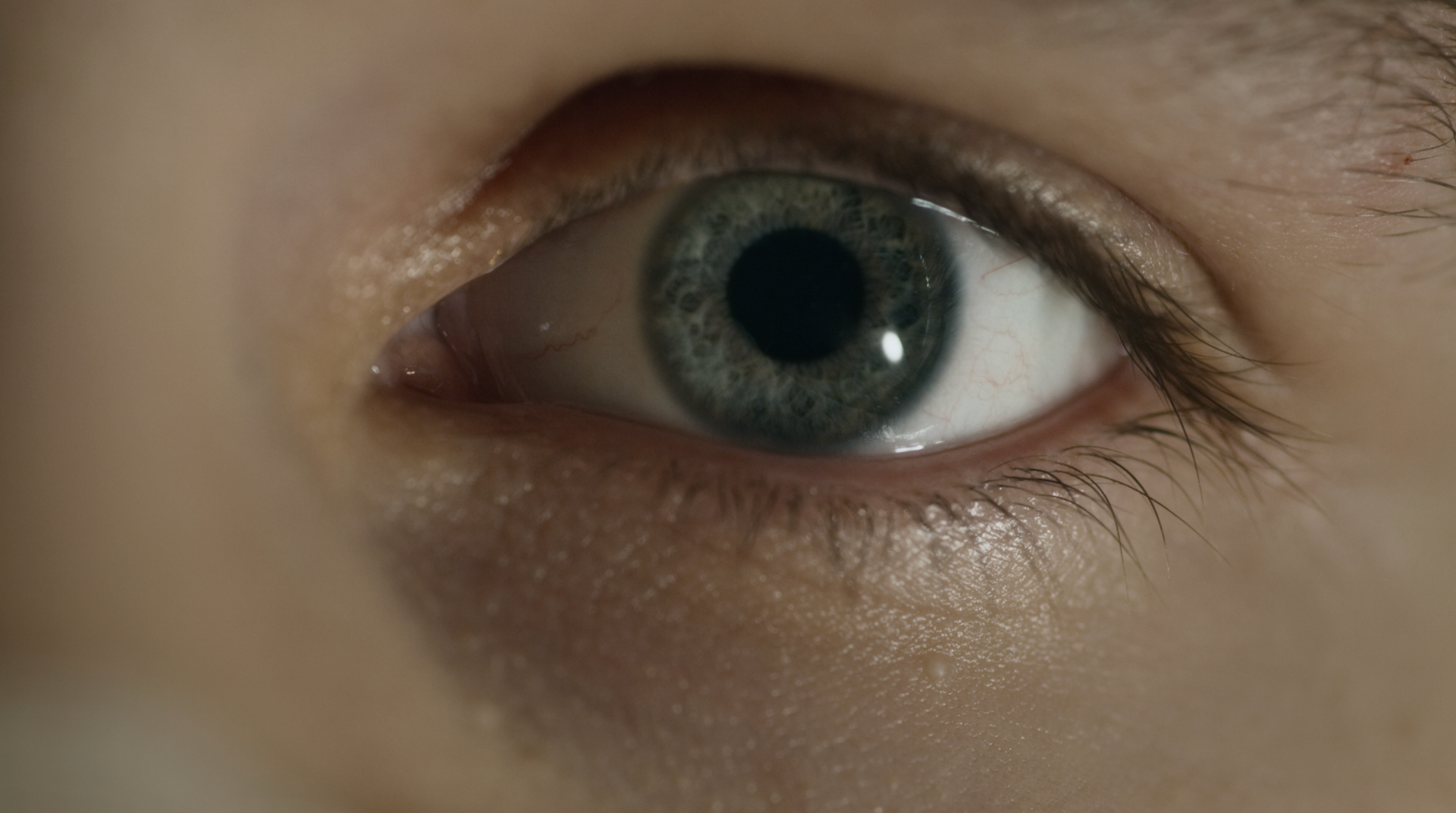
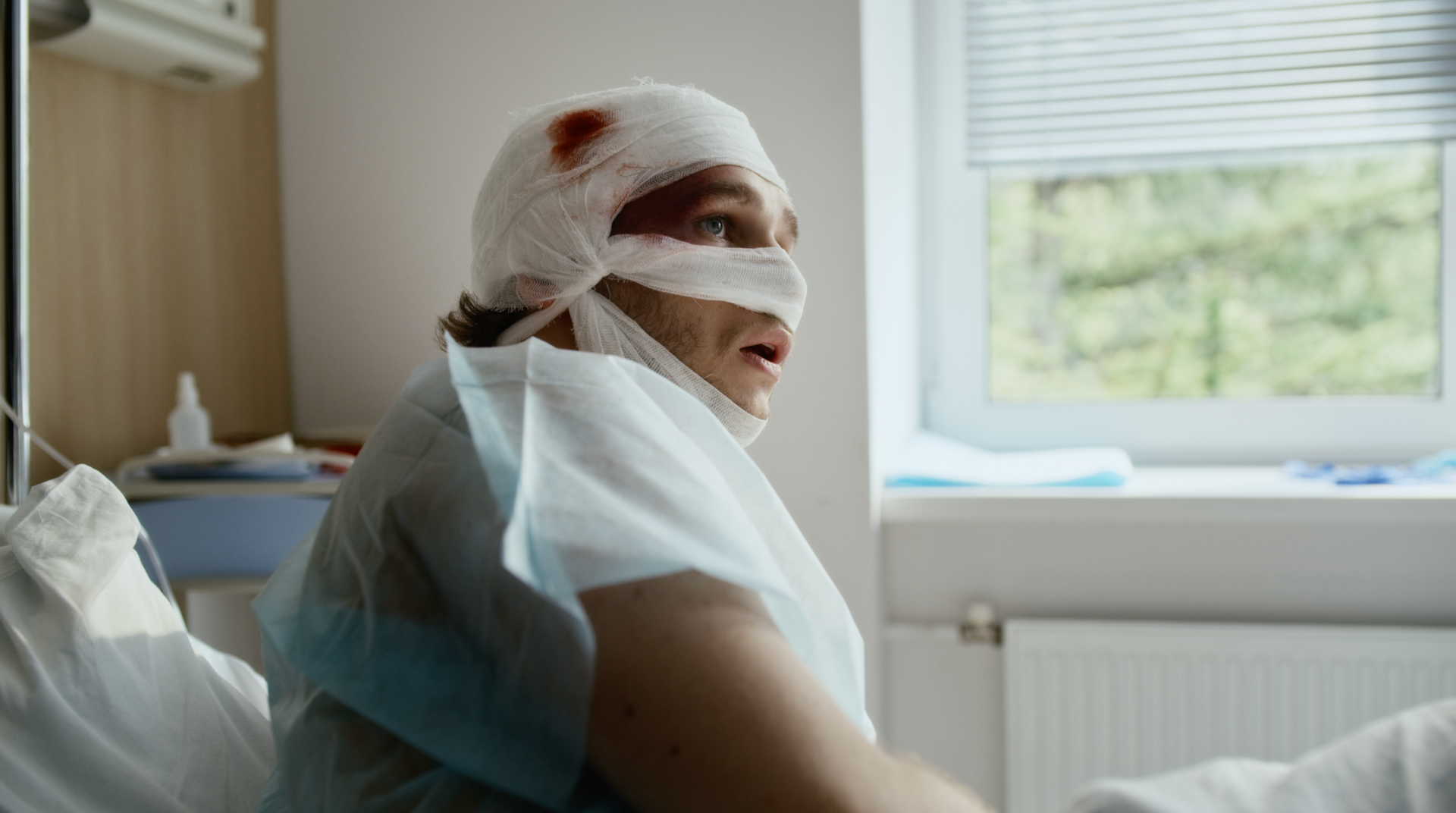
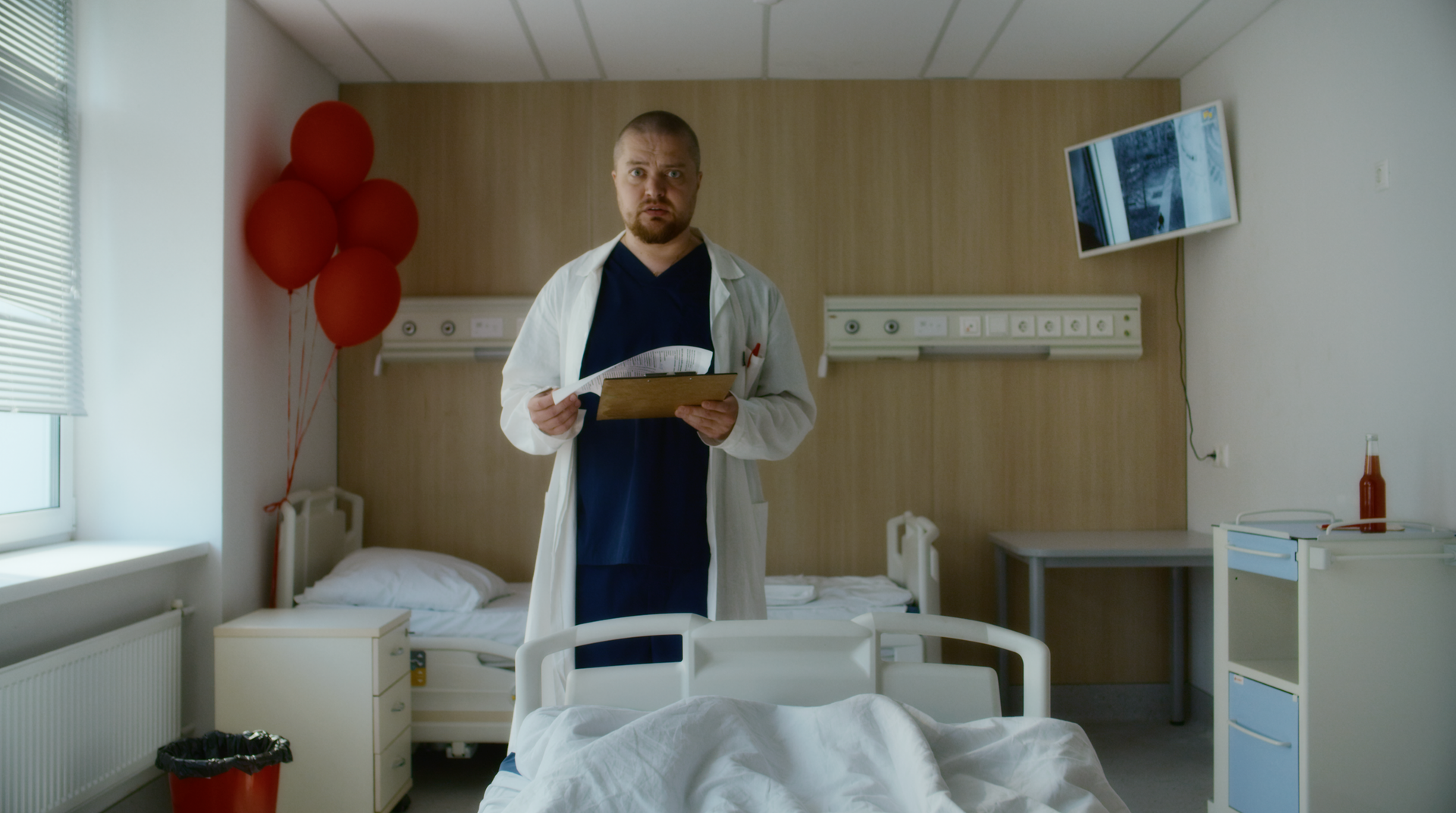
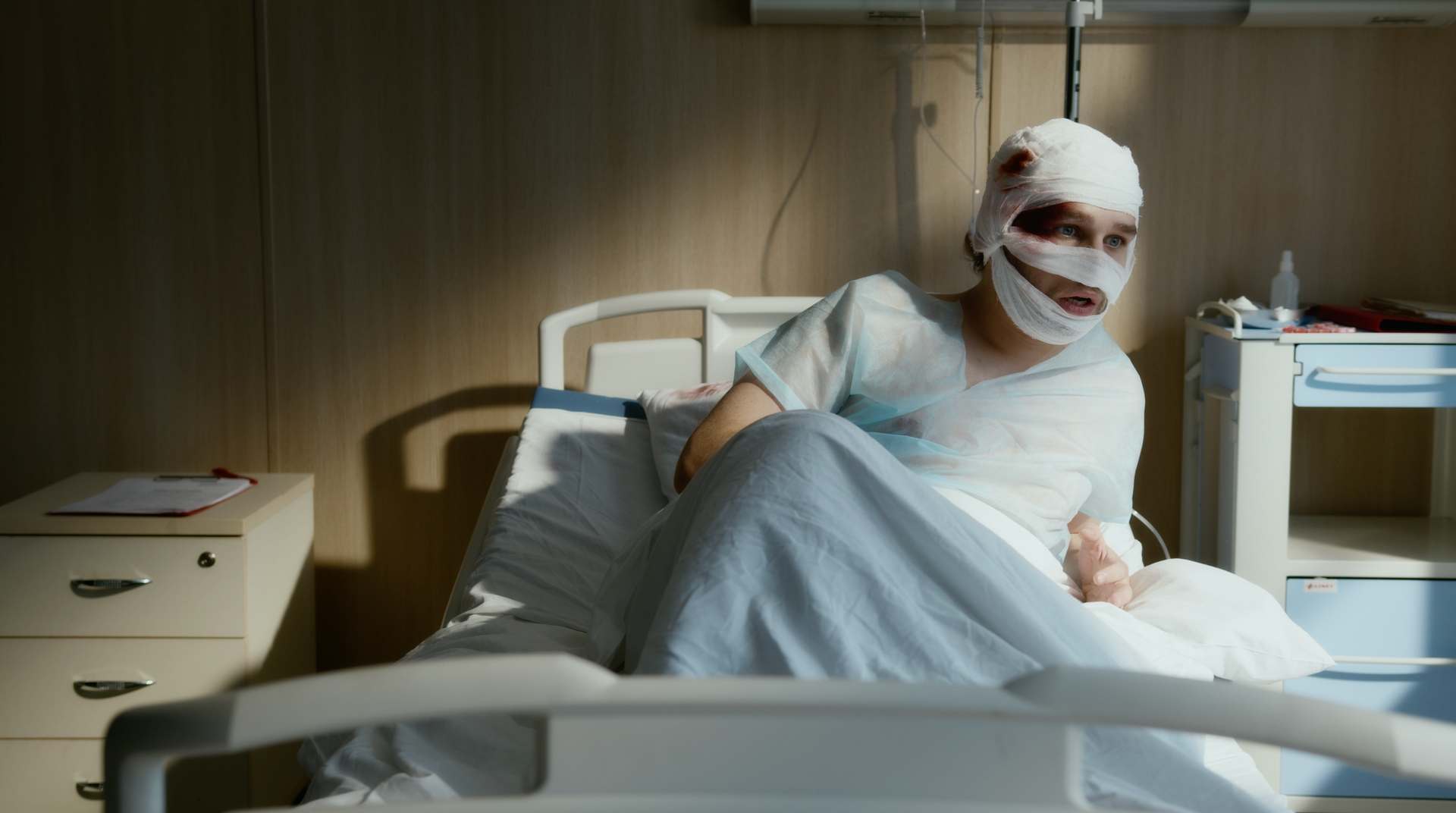
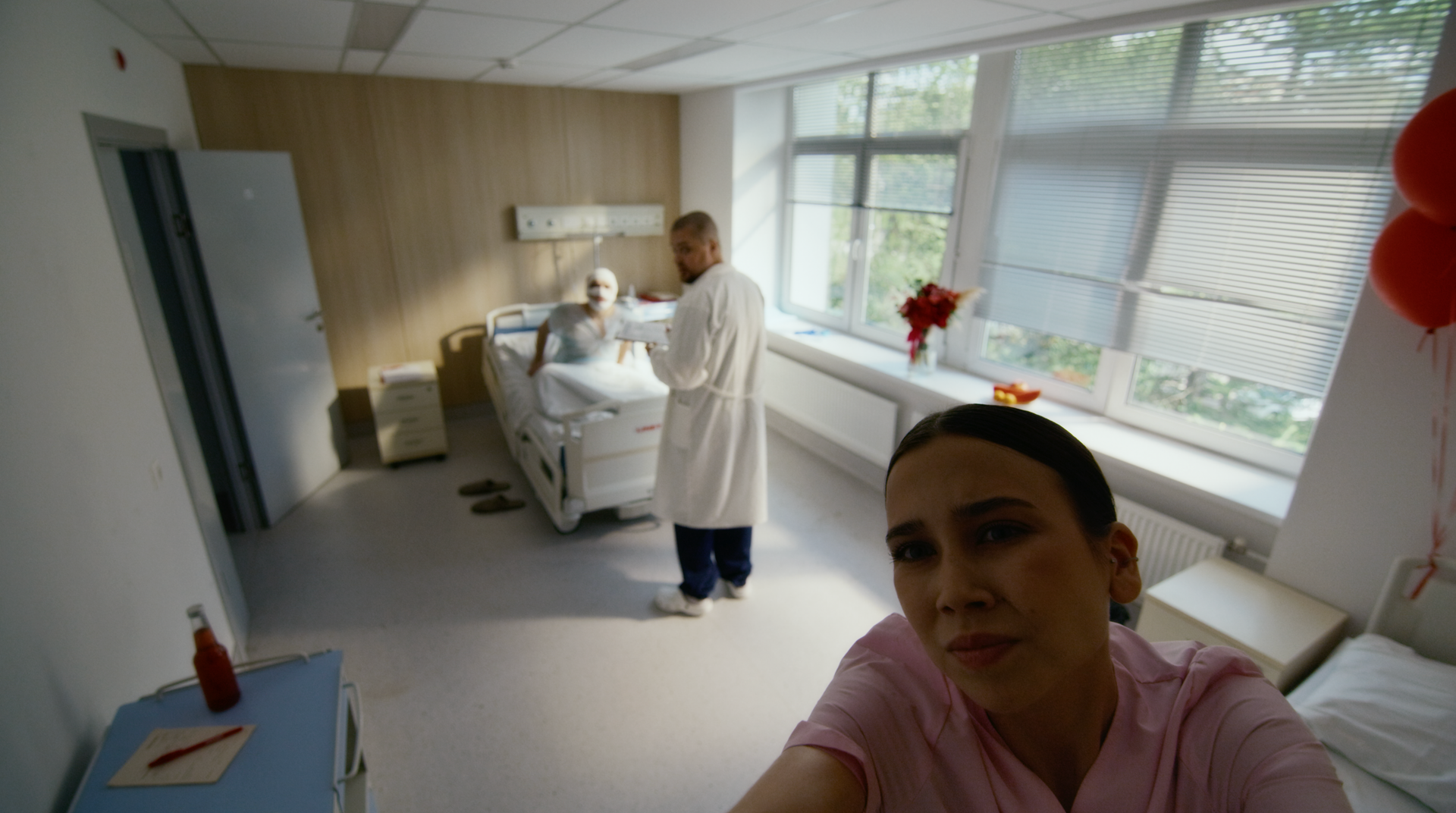
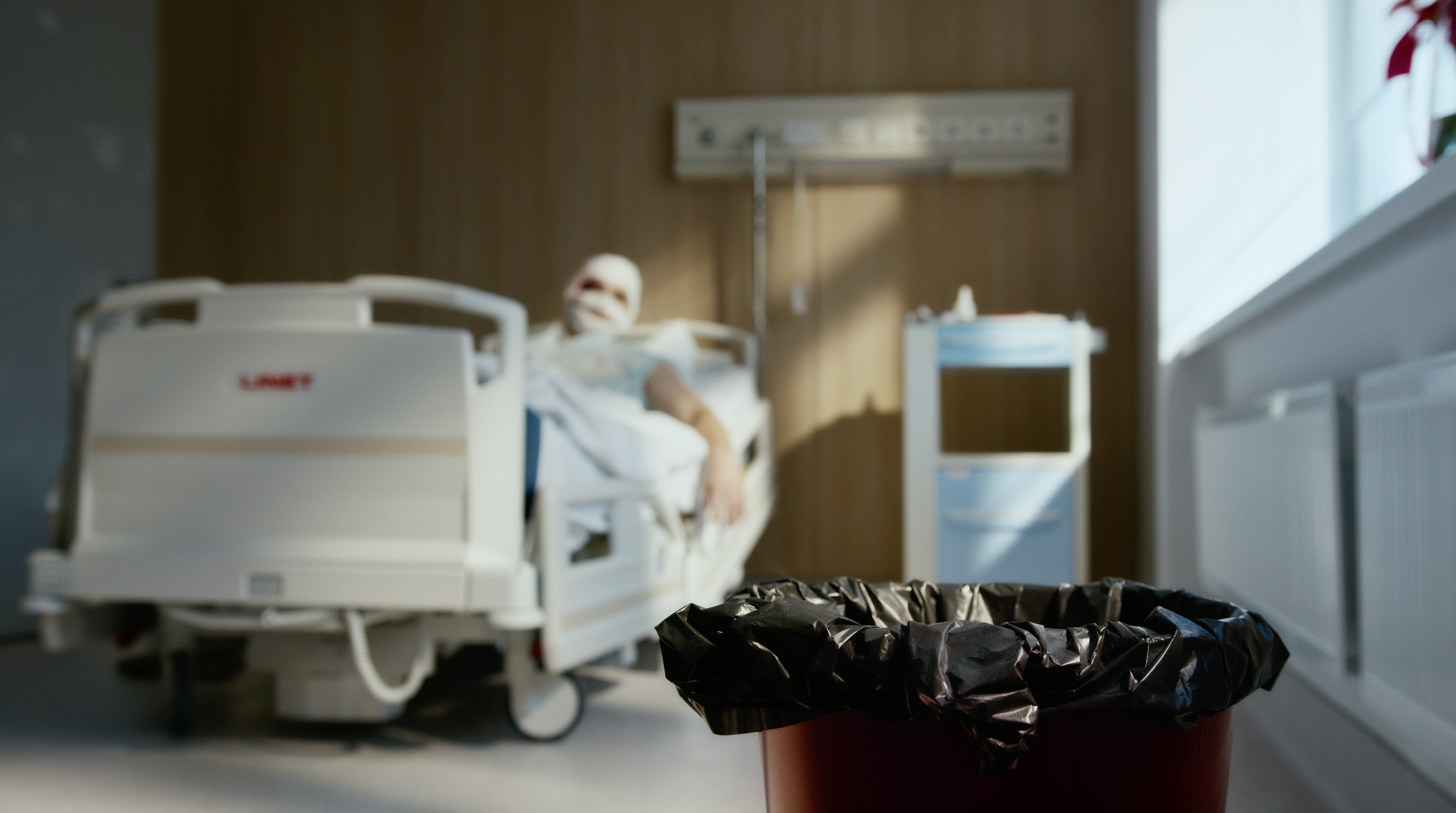
In the “reality” sequences of Lucky, we pursued a relatively clean, naturalistic digital look that feels honest and contemporary — guided closely by the on-set lighting logic rather than forcing artificial stylization. Where the scene called for it (e.g., well-lit, open environments), the image stays crisp and pure; in lower-light or dustier/more atmospheric moments, we let the natural softness and subtle dust/haze from the set shine through, embracing a gentle, diffused quality without heavy intervention.
We applied only light optical softening (as favored by the DP) for a touch of dreaminess and to avoid clinical harshness, while maintaining good overall sharpness, detail, and micro-contrast. The result is a digital aesthetic: natural skin tones, true-to-life environments, and subtle refinements that tame any overly sharp digital edges without over-processing. No specific film emulations or vintage treatments were used — just thoughtful shaping to keep the look grounded, immediate, and responsive to the real-world conditions on set.
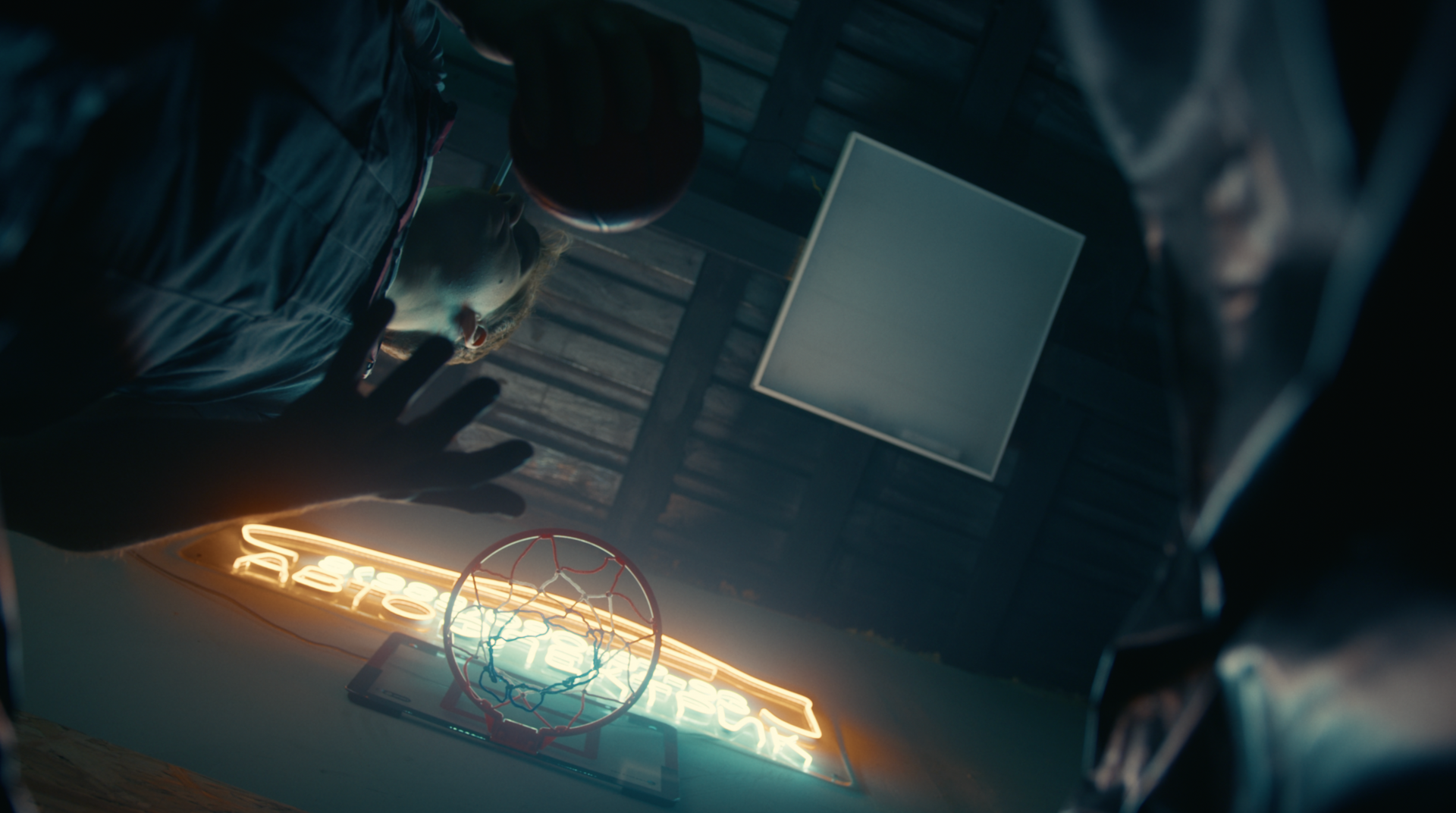
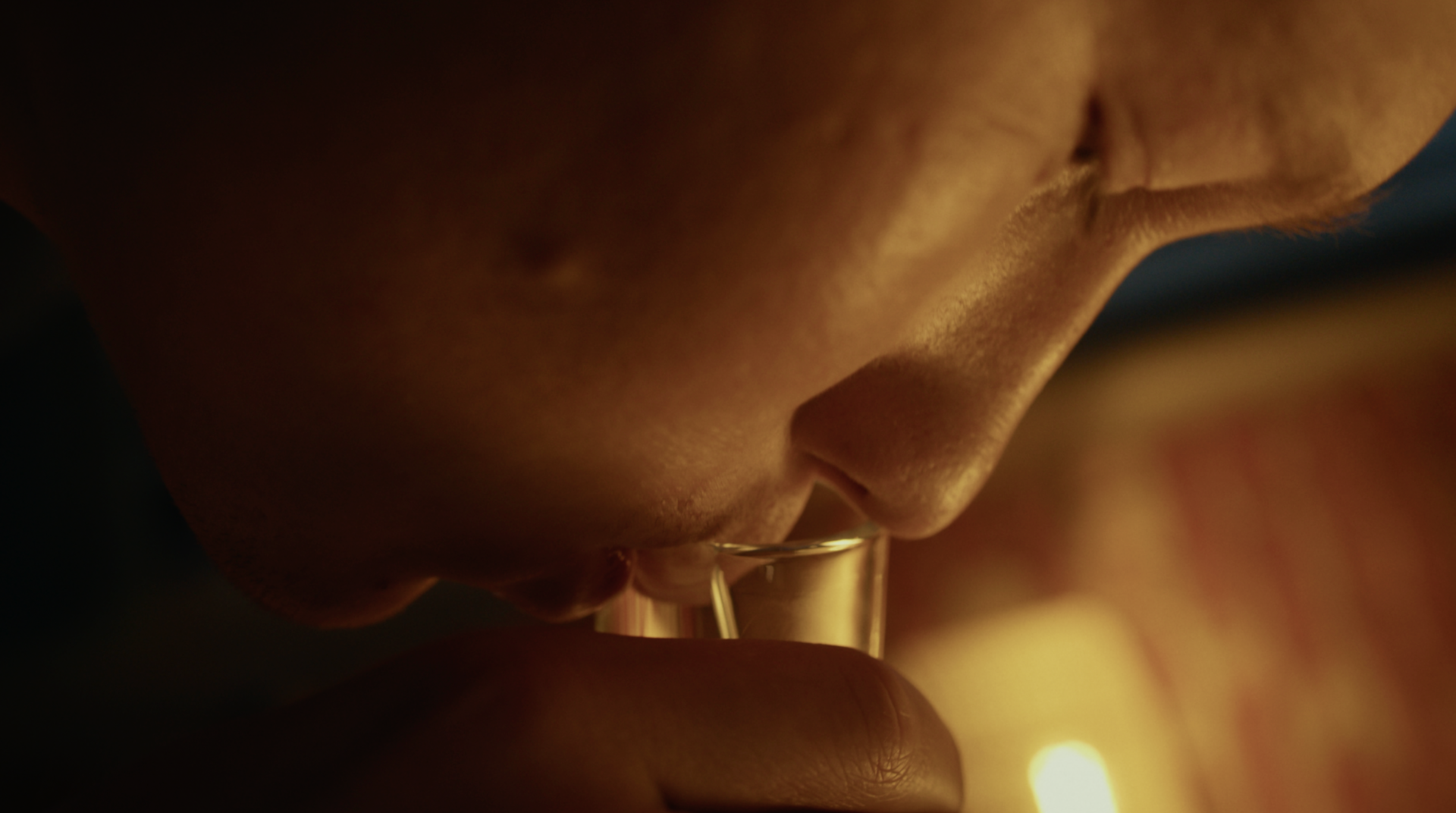
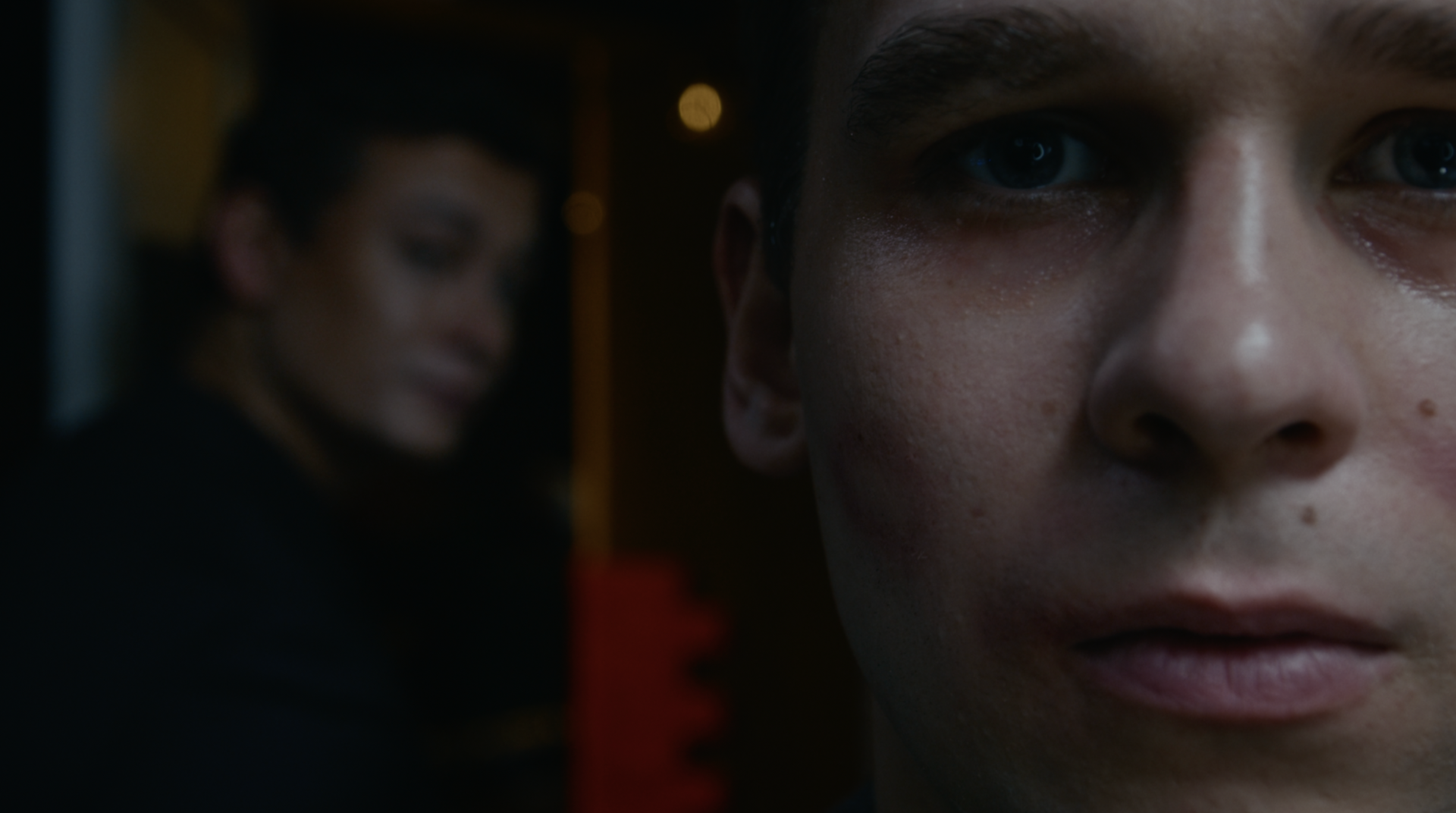
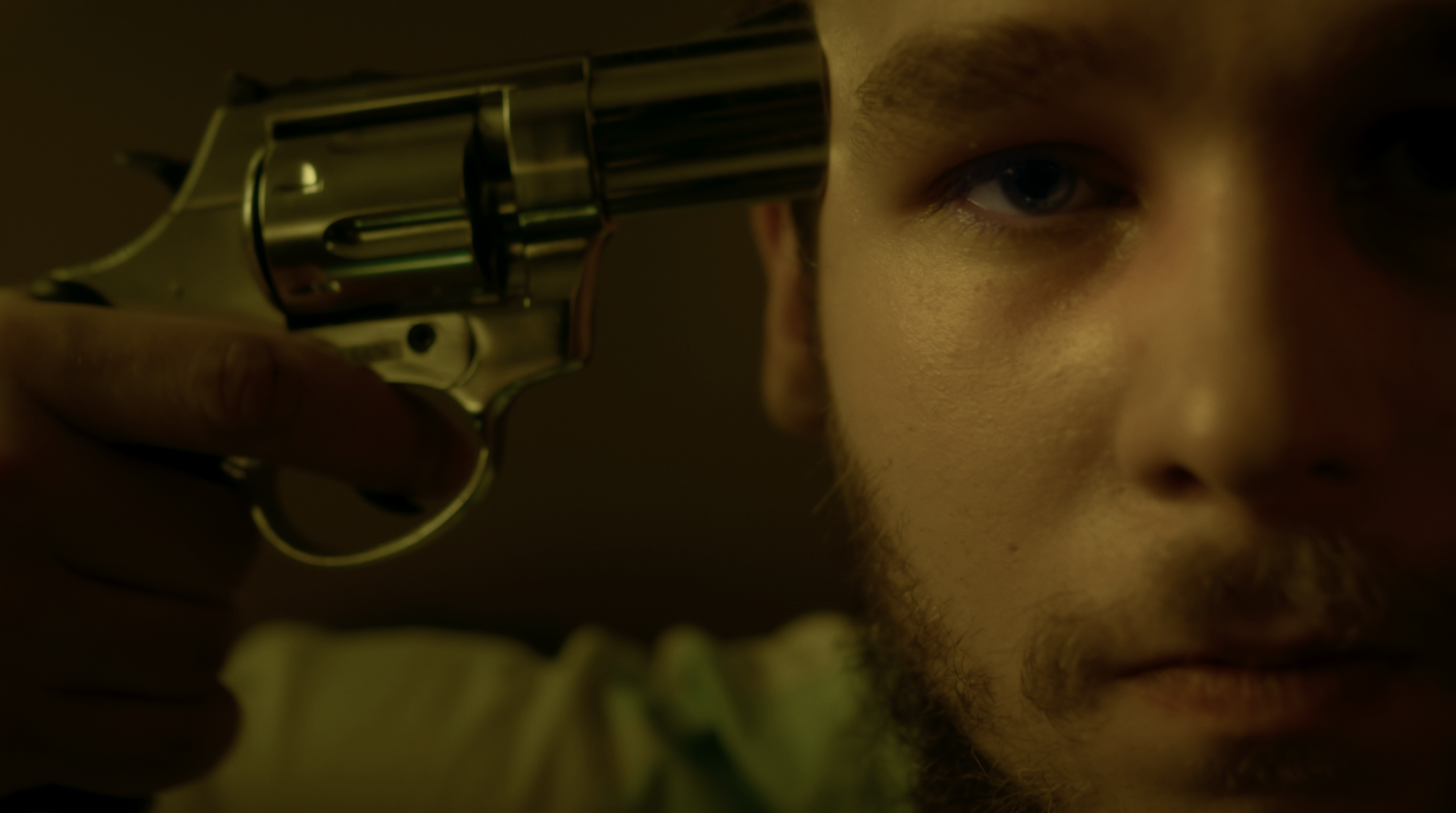
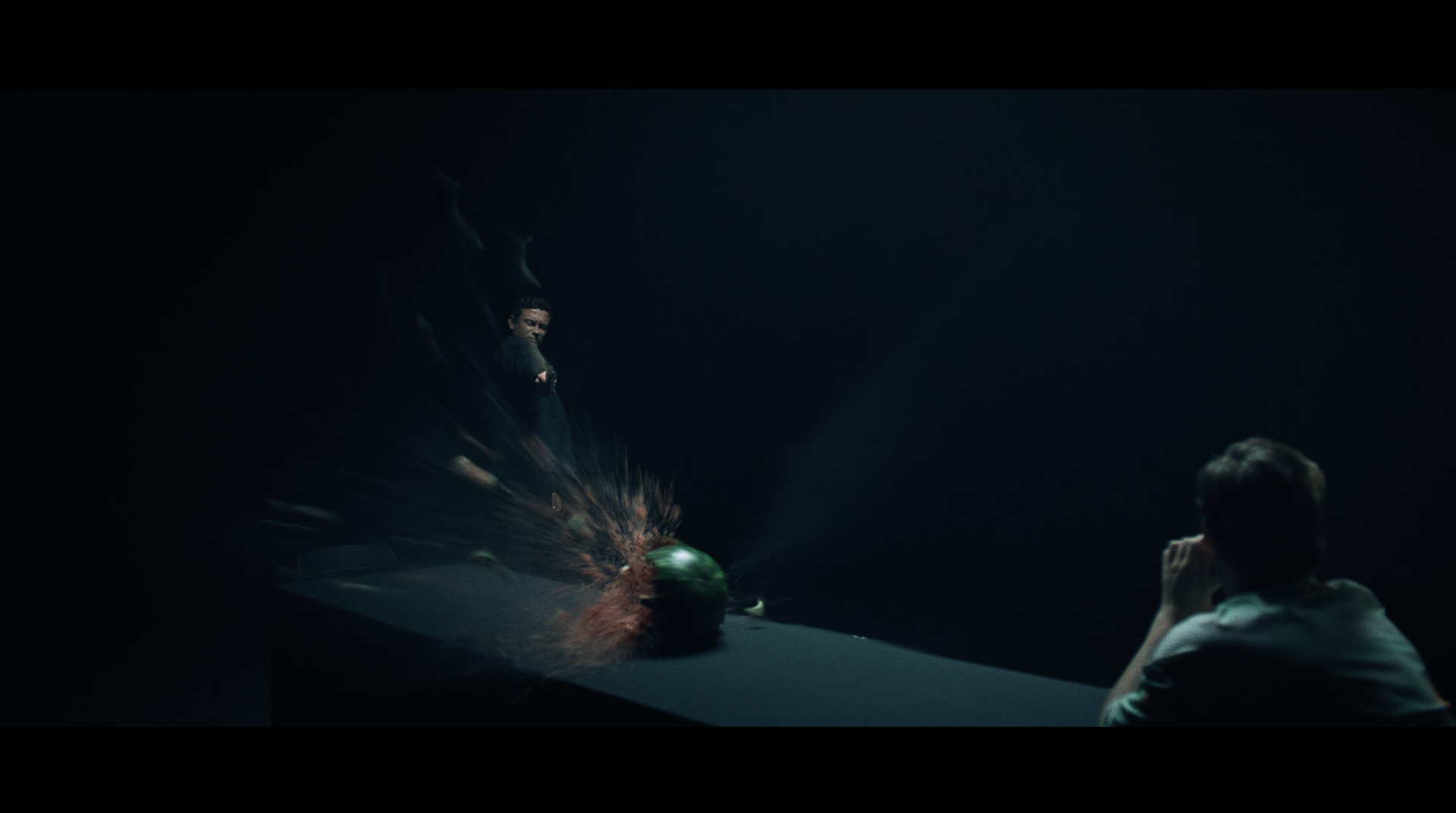
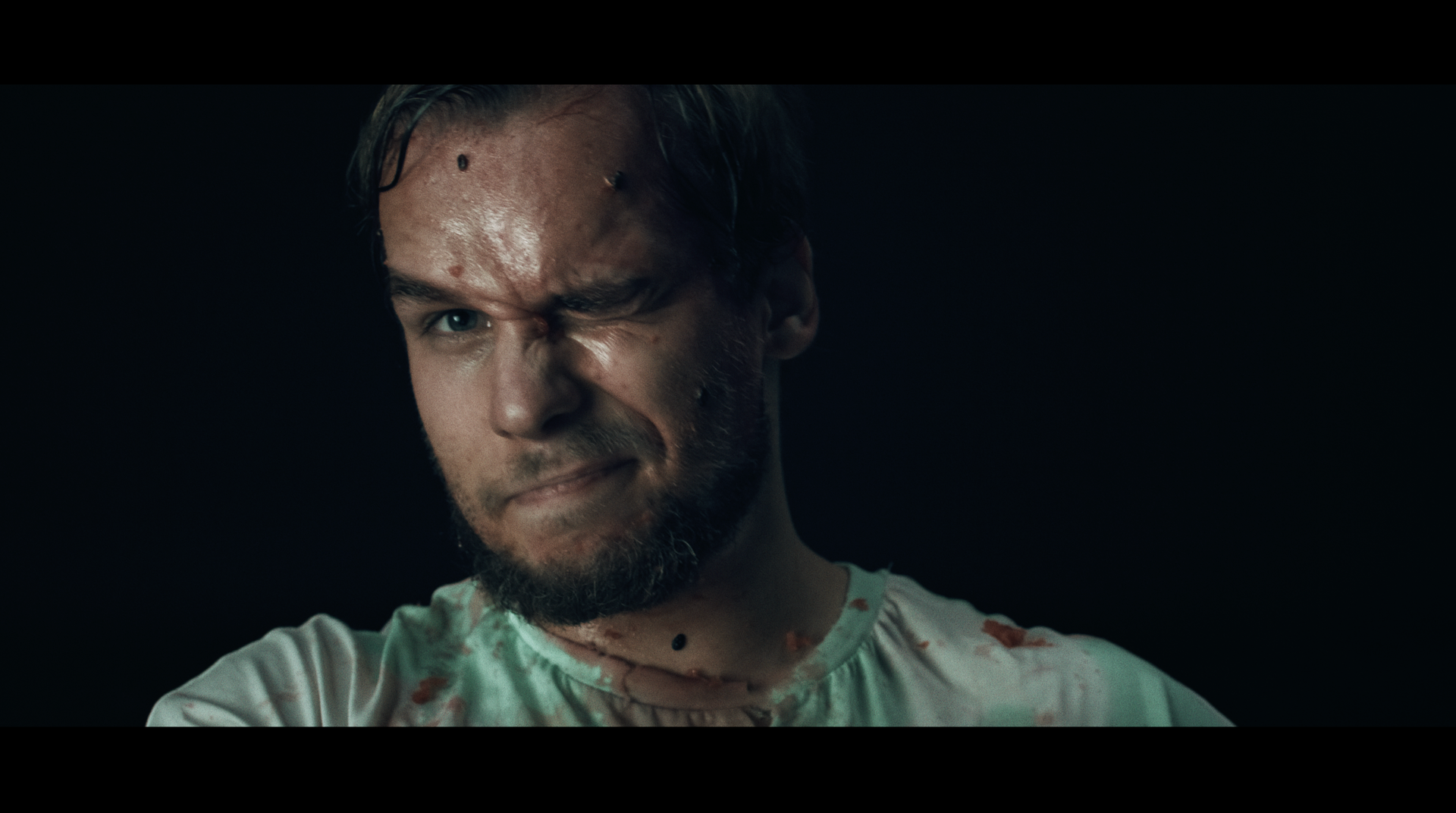
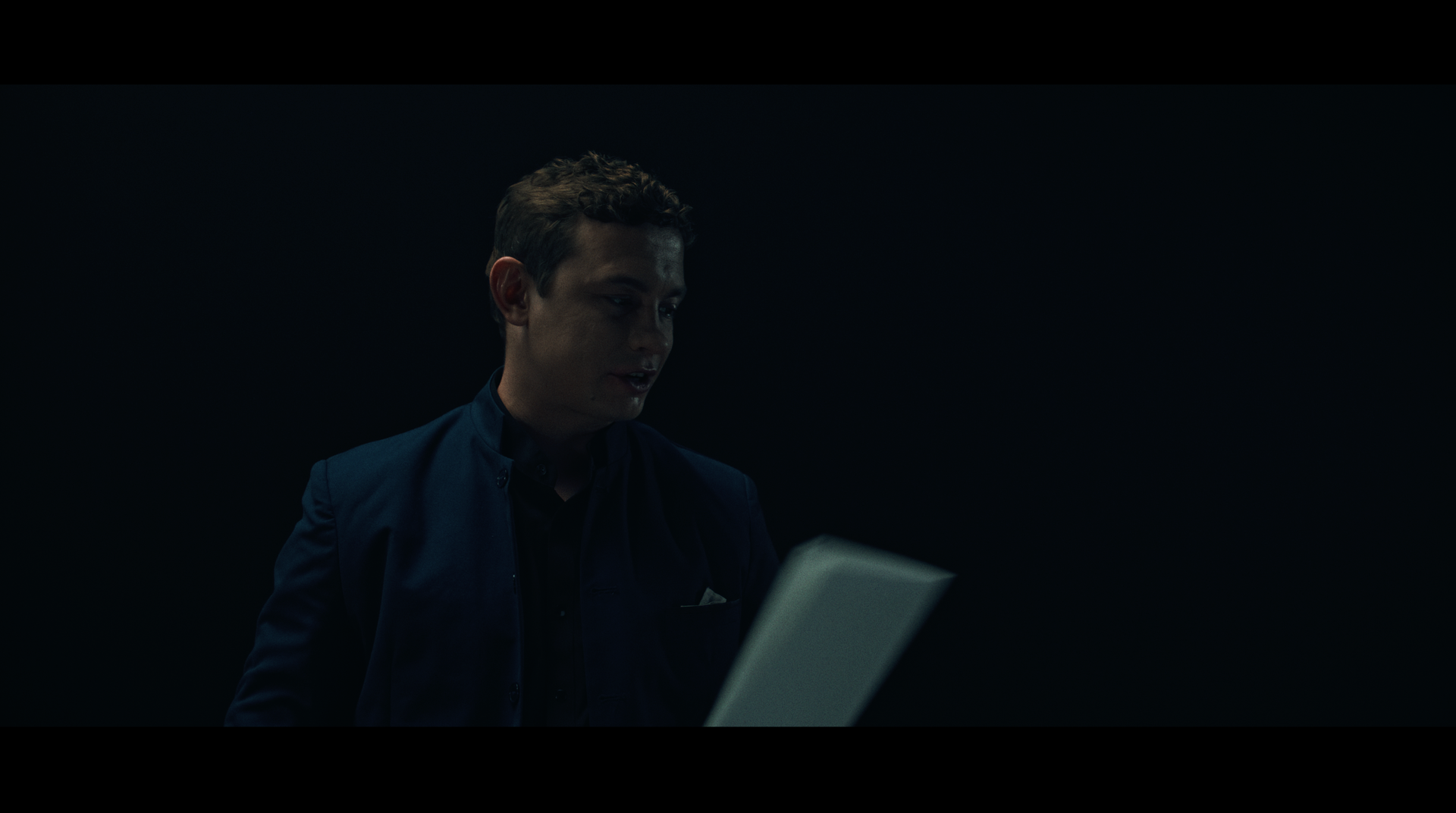
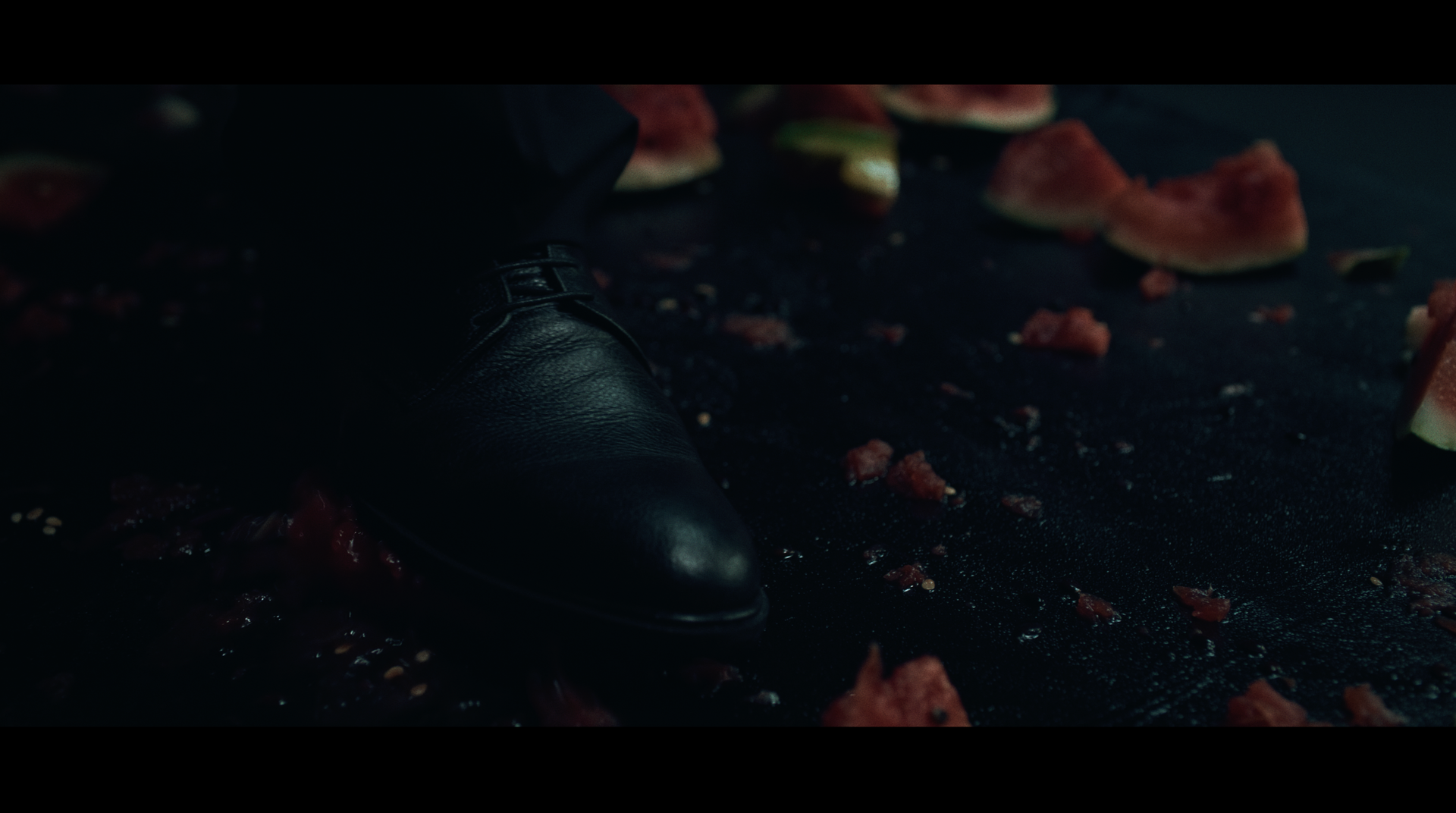
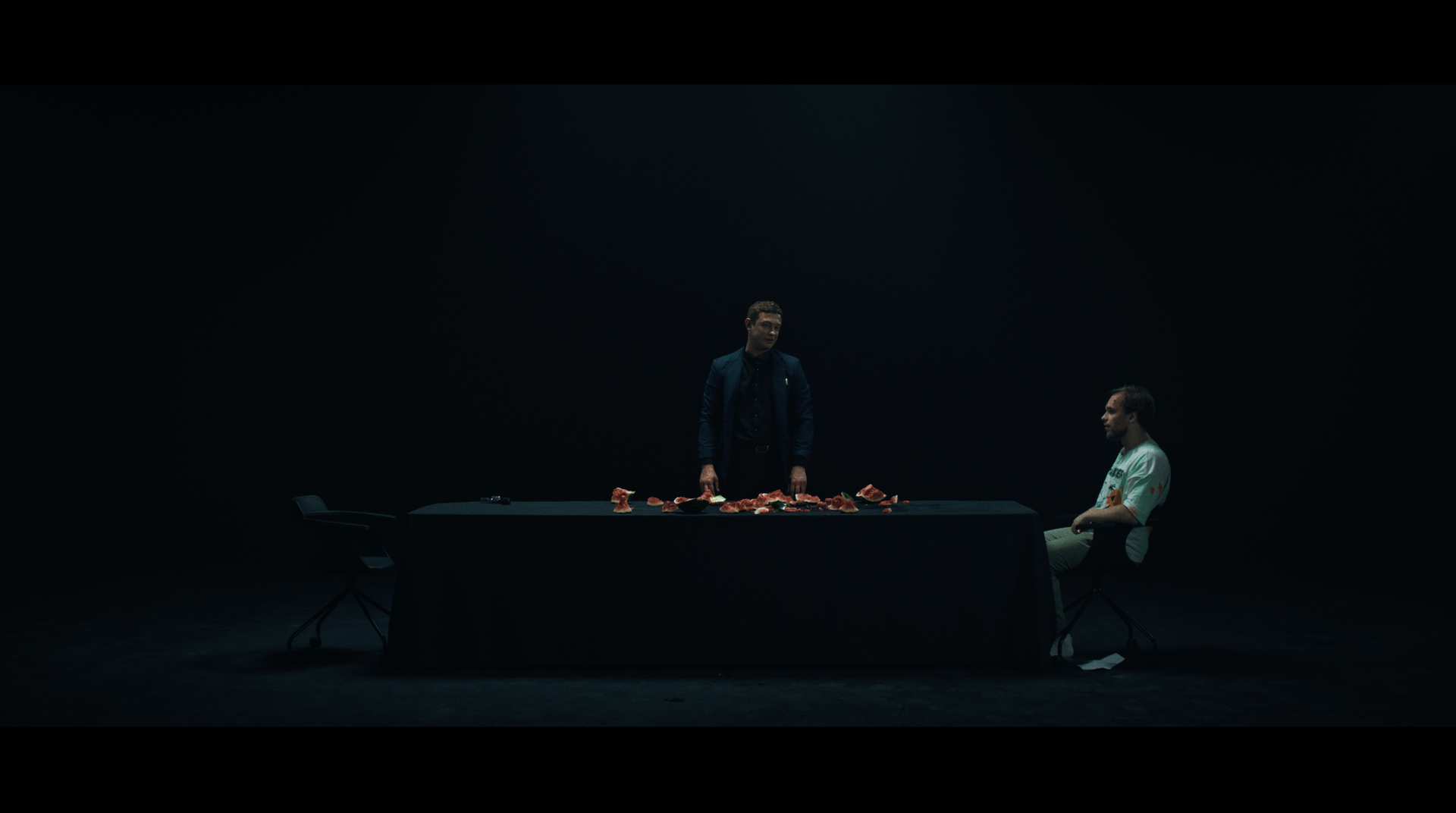
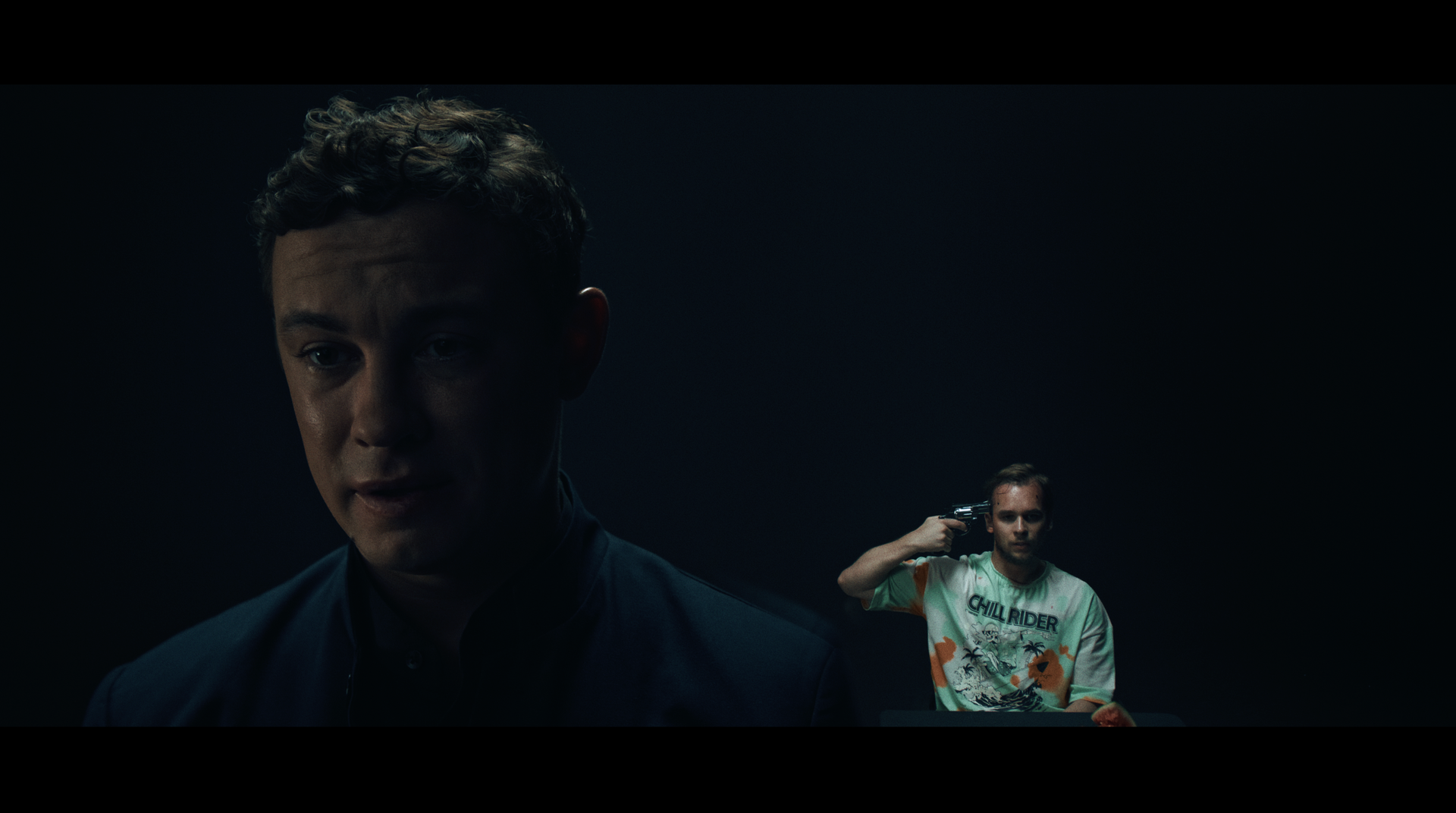
One standout exception is the surreal, “unreal” world scene, where we dramatically pushed the palette into opposing blues and reds — vivid watermelon reds clashing against deep, shadowy blue tones — to heighten the sense of detachment and otherworldliness. Here, we intentionally introduced a stylized emulation to pull the viewer out of everyday reality and amplify the disorienting shift.
In the unreal world sequence of Lucky, idea was to dramatically shift the aspect ratio to a much wider format. This abrupt change instantly reframes the entire visual experience — expanding the horizontal field while compressing vertical space, creating a sense of vast emptiness and heightened theatricality that pulls the viewer out of everyday perception.
To make the transition work, we recalibrated accent placement and composition: key elements were pushed toward the center or edges of the wider frame, peripheral details were aggressively cropped or swallowed by shadow. Combined with deep, crushing darkness — minimal fill, heavy underexposure, and stark contrast — the scene becomes a void-like space pierced only by intense watermelon reds and blue shadows. The result is a visceral, disorienting shift that amplifies unreality and makes the “other world” feel both expansive and claustrophobic at once.
Overall, the film’s strength lies in treating each scene as a distinct color universe: carefully calibrated tones and moods that transition boldly yet purposefully, allowing the short to deliver a rollercoaster of atmospheres without ever feeling disjointed. This approach keeps the viewer engaged, emotionally immersed, and constantly surprised in the compressed narrative space.
Director: Zakhariya Adjoyan
DP: Dmitry Dashkov


